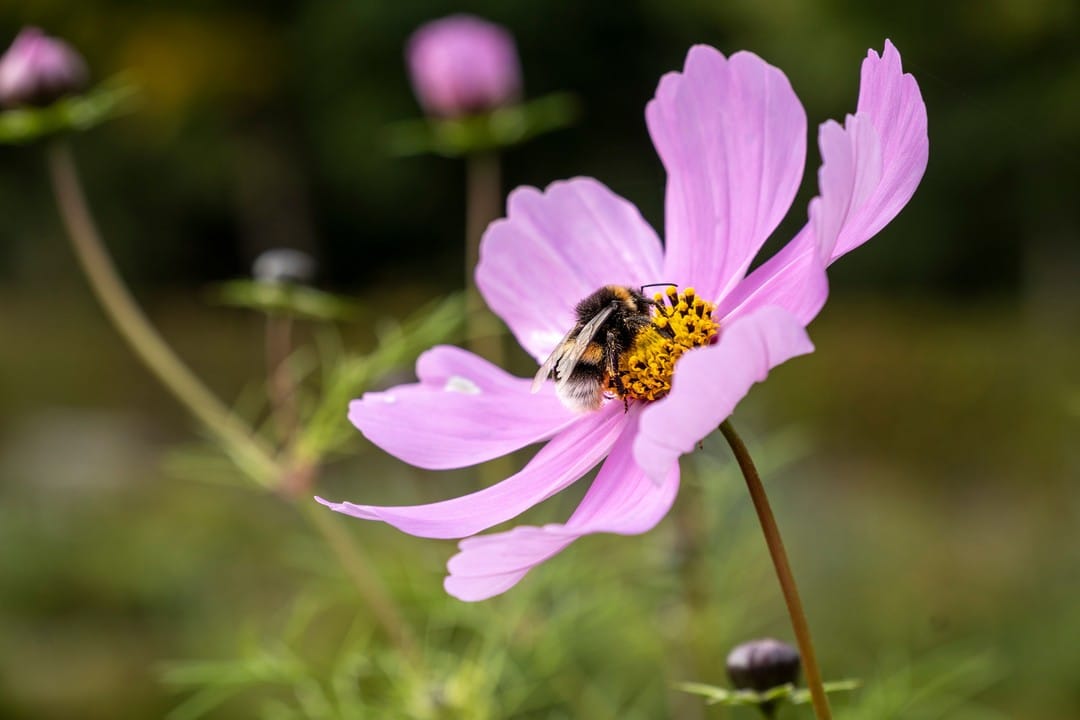
Somewhere between the recycling bin and the folding chair you never sit in, most rental balconies have about six square feet of dead space. That space, it turns out, is exactly the size a rusty-patched bumblebee or a monarch butterfly needs to refuel between the last patch of clover and wherever it's headed next. You don't need a yard, a lease amendment, or a single hole drilled into the railing to give it that. You need the right pots, the right plants, and about $80 to start.
Why a Few Pots on the 14th Floor Actually Matter
Pollinator habitat has been shrinking for decades as lawns, parking lots, and monoculture farmland replace the messy mix of flowering plants that bees, butterflies, and moths evolved around. Urban and suburban gardens — including container gardens on balconies and patios — have become genuinely important stopover habitat, especially in dense cities where a rooftop patch might be the only bloom for blocks. The Xerces Society, the leading pollinator conservation nonprofit in the US, has been saying for years that small-scale plantings add up when there are enough of them; a single balcony won't save a species, but a few thousand balconies across a metro area start to look like a corridor. Monarch butterflies, in particular, need milkweed specifically to lay eggs, and they'll use a single well-placed container the same way they'd use a roadside patch.
None of this requires a green thumb you don't have. It requires picking plants that are actually built for container life, not the ones a nursery display happens to make look pretty in April.
Read Your Light Before You Buy Anything
Track your balcony's sun for one day before you spend a dollar — most pollinator plants want six or more hours of direct light, and a north-facing balcony in Chicago or Seattle simply won't support the sun-lovers no matter how much you want it to. If you're getting four hours or less, you're working with a shade-tolerant list, not the full one. Wind matters almost as much as light on a balcony above the third floor; tall, top-heavy plants like coneflower can snap in a stiff gust unless the pot is heavy enough to anchor them, so terra cotta or a weighted plastic container beats a lightweight resin pot every time up there.
The Plant List That Actually Earns Its Pot Space
Perennials that come back without you doing anything
Anise hyssop (Agastache foeniculum) is close to a cheat code for container pollinator gardens — it tolerates poor soil, shrugs off drought, and its purple spikes pull in bumblebees from June through frost. A single quart-size plant from a nursery runs $6 to $10 and will fill an 18-inch pot within a season. Purple coneflower (Echinacea purpurea) is the other workhorse: goldfinches will strip the seed heads in fall if you leave them standing, which is exactly what you want. Wild bergamot, also sold as bee balm (Monarda fistulosa), draws in hummingbird moths and long-tongued bees that shorter flowers can't accommodate, though it wants more water than the other two and will sulk in a pot smaller than 16 inches across.
For anyone with a monarch migration route nearby — which, depending on the season, includes most of the country east of the Rockies — swamp milkweed (Asclepias incarnata) does better in containers than the more common common milkweed, which spreads aggressively through underground roots and will crack a plastic pot within two years. Swamp milkweed stays clumping, tolerates the inconsistent watering a balcony pot is prone to, and is one of the few plants monarch caterpillars will actually eat.
Annuals that punch above their weight
Zinnias aren't native to North America, and a strict native-plant purist will tell you to skip them. Skip that advice instead. A $3 packet of Benary's Giant zinnia seed will out-produce almost anything else you can grow in a pot for pure volume of nectar per square foot, and butterflies — monarchs, swallowtails, painted ladies — treat a zinnia patch like an open buffet. Pair them with nasturtium, which climbs over a railing edge nicely and feeds both pollinators and, later, your salad. Lantana, sold as an annual in most of the US outside zones 9 to 11, tolerates neglect better than nearly any bedding plant sold at a big-box garden center and keeps blooming through August heat that kills petunias outright.
Herbs are doing more work than you think
Let a pot of oregano, thyme, or chives bolt — meaning, don't pinch off the flower buds the way most cooking guides tell you to — and you'll watch it turn into a bee magnet for three or four weeks. Basil does the same thing once it flowers, and honestly, at that point you've already harvested more leaves than you needed anyway.
Containers, Soil, and the Watering Schedule That Determines Everything
Size matters more than material. A pot under 12 inches in diameter dries out fast enough on a hot balcony that even drought-tolerant natives will struggle, so 16 to 20 inches is the real minimum for anything perennial. Self-watering containers — the kind with a reservoir in the base, like the Earthbox or the cheaper Bloem Ariana line at around $25 — solve the single biggest failure point of balcony gardening, which isn't sunlight or soil, it's someone forgetting to water on a 95-degree Tuesday.
Use a bagged potting mix formulated for containers, not garden soil or topsoil, which compacts in a pot and suffocates roots within a season. Skip the fertilizer-heavy "bloom booster" mixes marketed for maximum flower size; pollinators generally prefer flowers grown a little leaner, and the showiest, most fertilized blooms often produce less nectar, not more.
The Plant Tag Problem Nobody Warns You About
Here's the part that annoys people once they find out about it: a plant labeled "pollinator-friendly" at a major garden center chain is not automatically safe for pollinators. Investigations by groups including Friends of the Earth have repeatedly found neonicotinoid pesticide residue — a class of chemical that's toxic to bees at very low doses — on plants sold as bee-friendly at large retailers, because the growers treat seedlings early in production and the label doesn't have to disclose it. The safest move is to ask directly whether the plants were treated with neonicotinoids, or to buy from a specialty native-plant nursery — Prairie Moon Nursery and Izel Native Plants both ship bare-root and plug plants nationally — where the answer is far more likely to be no. It's an extra five minutes of asking an inconvenient question, and it matters more than almost anything else on this list.
Give Them Somewhere to Land, Not Just Something to Eat
A shallow dish of water with a few flat stones or marbles poking above the surface gives bees a place to drink without drowning — they need somewhere to stand, since they can't land on open water the way birds can. Refill it every couple of days so it doesn't become a mosquito nursery instead. If you've got room for one more small pot, a bundle of hollow bamboo stakes or paper straws tucked into a container, angled slightly downward so rain doesn't pool inside, gives stem-nesting native bees — the solitary kind that make up roughly 70% of North America's 4,000 native bee species — somewhere to lay eggs. Most of those bees never touch a hive or make honey; they just quietly do more pollination work per capita than honeybees do.
What to Do When Your Lease Says No Digging (It Always Does)
Every plant on this list works entirely in a pot, which is really the point. Nothing here needs a trellis screwed into brick, a raised bed cut into a patio, or a landlord's permission beyond whatever your lease already says about balcony decor. When you move, the whole setup goes with you in the trunk of a car. Come October, resist the landscaping instinct to cut everything back to bare stems and haul it to the curb — leave the dead stalks standing through winter if your HOA or building rules allow it, since that's exactly where overwintering bees and butterfly chrysalises are hiding, and a tidy fall cleanup is one of the more common ways a season's worth of pollinator work gets undone in a single afternoon.