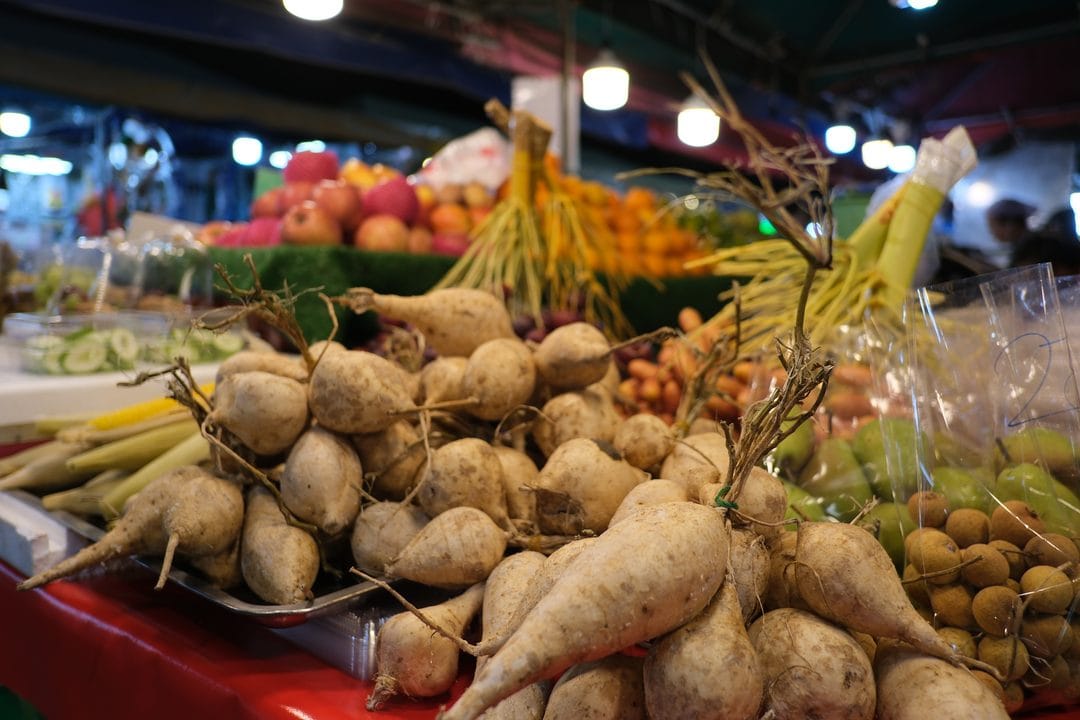
The tomatoes at your local farmers market don't come wrapped in anything. Neither do the peaches, the green beans, or the bundle of basil sitting next to them. So why does your reusable tote come home every Saturday with four plastic clamshells, two produce bags, and a rubber-banded bunch of carrots still wearing its original grocery-store sleeve? The answer is habit, not necessity — and July, when farmers markets across the country hit peak volume and peak variety, is the easiest month of the year to break it.
The plastic sneaks in at the vendor table, not the checkout line
Most people picture plastic waste as a supermarket problem, something tied to shrink-wrapped cucumbers and clamshells of strawberries under fluorescent lights. But a two-week tally at a mid-size Saturday market will usually turn up the same culprits at half the stalls: thin plastic bags handed out by default for anything loose, rubber bands doubled with a plastic twist-tie, and berries sold in the same PET clamshells the grocery store uses, just with a handwritten price sticker instead of a barcode. Vendors aren't doing this out of carelessness — bagging is faster, and a lot of shoppers expect it without asking. The fix isn't confronting anyone at the table. It's showing up already equipped, so the default never gets a chance to kick in. A stack of mesh produce bags weighs about as much as a phone and folds into a pocket, which means there's no excuse for the tomato vendor's plastic sack to make it into your tote in the first place.
The math adds up faster than it looks. A household buying from five or six stalls every Saturday from May through October — roughly six months of regular market season — can easily generate 100 to 150 single-use bags and clamshells over that stretch, most of which get used for the walk from the stall to the car and then thrown out within the hour. Swap in five reusable mesh bags, at roughly $12 to $18 for a set of five or six from a brand like ChicoBag or Onya, and that entire six-month total drops close to zero. The upfront cost pays for itself before August even starts.
Mesh bags solve almost everything except berries
Cotton mesh or nylon produce bags handle greens, beans, peppers, garlic, onions, and stone fruit without any downside — they're washable, they don't trap moisture the way plastic does, and produce actually seems to last a day or two longer in them since air can move through the weave. Where mesh falls short is soft berries. Blackberries and raspberries packed loose into a mesh bag turn into jam by the time you're unloading the car, so a rigid reusable container earns its keep here. A stack of small stainless tins or a couple of reused glass jars from the pantry works fine — you don't need to buy a purpose-made berry box, and most vendors are happy to tare the container's weight before filling it if you ask.
Bring your own container to the cheese and meat stalls too
This is the part most detox guides skip, and it's where the biggest chunk of plastic actually lives. A weekly stop at the cheese vendor or the pastured-meat stand generates plastic wrap and vacuum-seal bags that mesh produce sacks can't touch. Most stallholders — not all, but most — will tare and fill a container you bring yourself, the same way a butcher counter would. Bee's Wrap or a set of stainless steel containers with tight lids both work, and a quick question before you start shopping ("would you fill this instead of bagging it?") is usually all it takes. Some vendors will say no, and that's worth knowing before you commit to carrying six containers across the whole market for nothing.
Not every stall will go along with it, and that's worth saying plainly instead of glossing over. Health department rules vary by county, and some vendors — particularly ones selling raw dairy or anything requiring strict temperature logging — aren't allowed to fill a customer's own container even if they wanted to. Ask first, don't assume, and have a backup plan for the stalls that say no.
The bulk bins inside the market building matter more than the outdoor stalls
Plenty of larger markets — the kind with an indoor pavilion alongside the outdoor stalls — run bulk bins for grains, dried beans, nuts, and coffee. These bins are consistently the most plastic-heavy part of a market trip, because shoppers grab the thin plastic bags stacked next to the scoop out of pure convenience, fill them, and never think twice. Bringing your own cotton bulk bags, or even just reusing glass jars with the tare weight marked in permanent marker on the lid, eliminates that entirely. A pound of dried black beans in a mason jar costs the same as a pound in a plastic bag — the only difference is what happens to the bag afterward.
Skip the "eco" bag that isn't
Not every reusable-looking bag actually reduces plastic. A lot of the woven polypropylene totes sold at grocery store checkouts — the ones marketed as a green upgrade from single-use bags — are themselves a form of plastic, just a thicker one, and they degrade into microplastic just like a shopping bag does once they wear out after a year or two of hard use. Cotton, canvas, and jute hold up longer and don't shed plastic fiber into the wash. If you already own a drawer full of the woven polypropylene totes, there's no need to replace them out of guilt — use what you have until it wears out, then replace it with a natural fiber version instead of buying another one of the same kind.
What a full plastic-free market run actually costs
A starter kit — five mesh produce bags, two cotton bulk bags, one set of stainless containers for berries and deli items — runs somewhere between $35 and $55 depending on the brands you pick, and it's a one-time cost that covers years of Saturday trips. Compare that to the ongoing cost of nothing, since single-use bags at a farmers market are usually free, and the plastic-free version looks like a bad deal on paper for about the first two months. After that, the math flips, because you're not replacing anything and the bags outlast a decade of grocery runs if you actually wash them between uses instead of shoving them in a drawer damp.
The bigger cost isn't the gear — it's the extra ninety seconds it takes at each stall to hand over a bag instead of grabbing one off the roll. That's the real reason most people don't switch, not the price of the mesh bags themselves. Once the container swap becomes the default instead of the exception, the ninety seconds disappears into the rest of the errand and stops registering as friction at all.
Start with two stalls, not the whole market
Trying to overhaul an entire Saturday market trip in one weekend usually backfires — you forget half your containers, the vendor at the cheese stand says no, and the whole experiment gets shelved by the following week. A better approach: pick your two most-visited stalls, bring the right container for just those two, and let the habit spread from there over a month or two. By August, most of the market trip runs plastic-free without any single week feeling like a project.