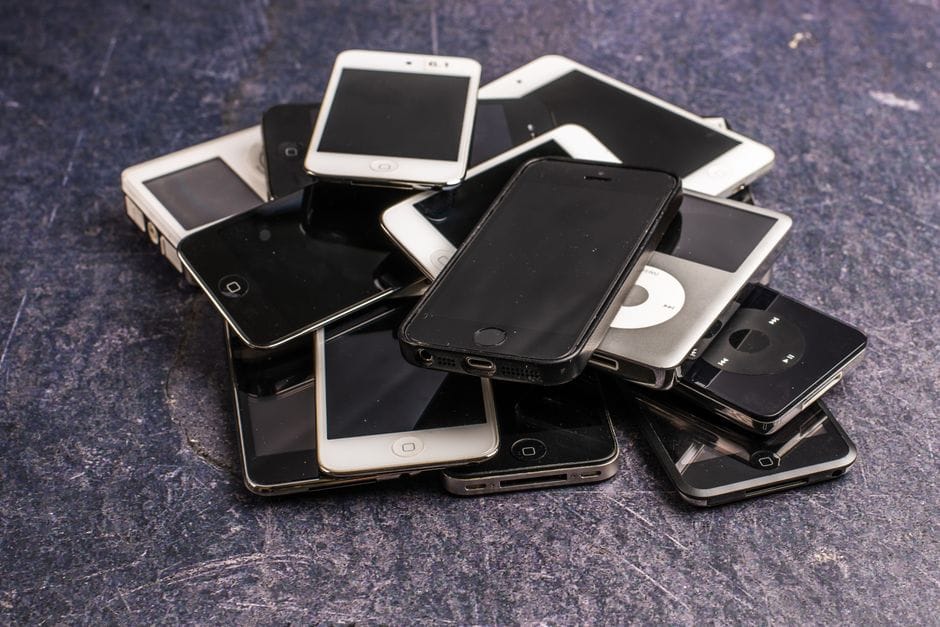
Batteries power everything from remotes to phones to power tools, and when they die, most people toss them in the trash. That is a problem. Batteries contain metals and chemicals that can leak from a landfill, and some types can spark fires in garbage trucks and sorting facilities. Recycling them is safer, recovers valuable materials, and is easier than most people assume.
Why the Trash Is the Wrong Place
Many batteries hold heavy metals like lead, cadmium, and lithium that should not end up in the ground or water. Beyond the toxins, lithium-ion batteries, the kind in phones, laptops, and cordless tools, can short out and catch fire when crushed. Those fires are a growing hazard in waste facilities, started by batteries that should have been recycled.
Know Your Battery Types
- Single-use alkaline (AA, AAA, 9-volt) are less hazardous but still best recycled where programs accept them.
- Rechargeable (the packs in phones, laptops, and tools) must be recycled, never trashed.
- Button cells from watches and hearing aids contain valuable and toxic metals and should be collected.
- Car batteries are highly recyclable and accepted by auto shops and retailers.
Where to Take Them
Recycling is usually free and close by. Many hardware stores, electronics retailers, and home improvement chains have battery drop-off bins near the entrance. Your city likely holds household hazardous waste collection days. Auto parts stores take car batteries, often with a small core refund.
Store Them Safely Until Then
Collect dead batteries in a non-metal container until you have enough to drop off. For lithium-ion and 9-volt batteries, put a piece of tape over the terminals so they cannot short against each other or anything metal, which prevents fires in storage.
Switching to rechargeable batteries for high-use devices cuts how many you go through in the first place. For the rest, a simple collection box and an occasional trip to a drop-off keeps dangerous materials out of the trash and useful metals in circulation.