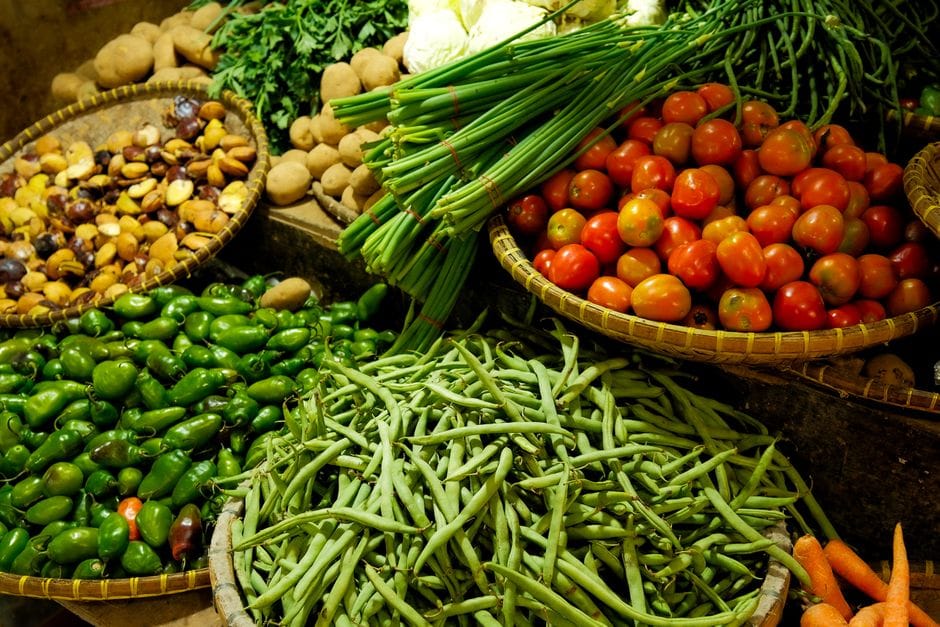
Walk into a grocery store in January and you can buy strawberries flown in from the other side of the world. You can, but they will be expensive, pale, and tasteless. Eating with the seasons means buying what is grown nearby at the time it naturally ripens. It costs less, tastes better, and skips the long-haul shipping and cold storage that pile on emissions.
Why Seasonal Is Cheaper
When a crop is in season locally, there is plenty of it, and abundant supply drives the price down. Out of season, the same item has to be grown in a heated greenhouse or shipped thousands of miles, and you pay for all of that. The price tag is a pretty reliable signal, what is cheap and piled high is usually in season.
A Rough Guide to the Seasons
- Spring: asparagus, peas, leafy greens, radishes, and strawberries.
- Summer: tomatoes, corn, zucchini, berries, peppers, and stone fruit.
- Fall: apples, squash, pumpkins, root vegetables, and brassicas.
- Winter: citrus, hardy greens, potatoes, onions, and stored apples.
Make It Easy
You do not need to memorize a calendar. Shop at a farmers market, where almost everything for sale is in season by definition. In a grocery store, follow the sales and the displays near the entrance. Build a few meals around whatever looks best and cheapest that week rather than starting from a fixed recipe.
Stretch the Season
When something is cheap and abundant, buy extra and preserve it. Freezing berries, roasting and freezing tomatoes, or storing squash in a cool spot lets you enjoy peak-season food later without paying off-season prices. Freezing takes minutes and keeps most of the flavor.
Eating seasonally is not about strict rules. It is about following freshness and price, which usually point you toward food that is better for your wallet and lighter on the planet at the same time.