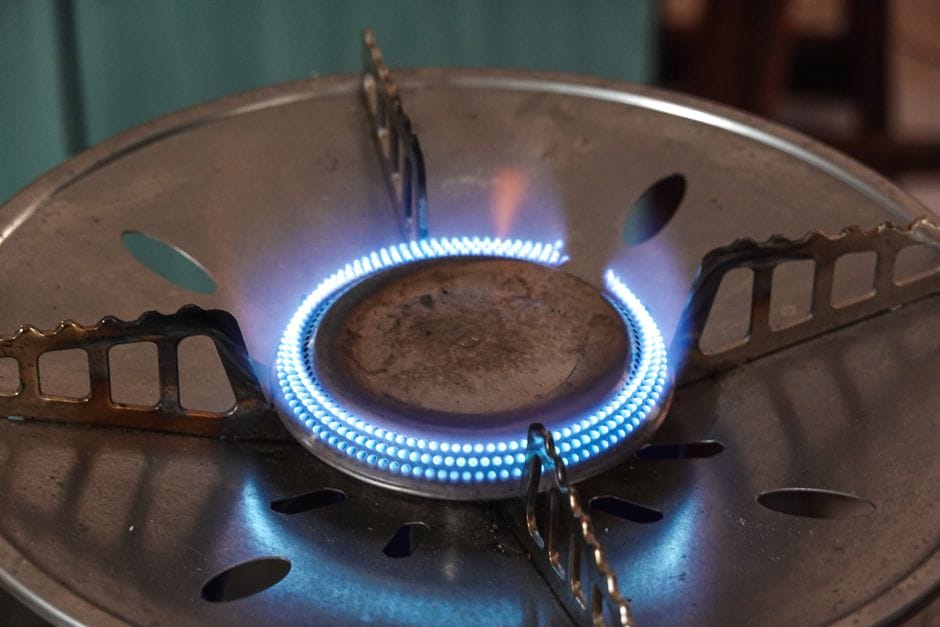
The kitchen is one of the more energy-intensive rooms in a home, and a lot of that energy gets wasted by simple habits, heating more than you need, letting steam escape, choosing the wrong pan. None of these mistakes ruin a meal, but fixing them quietly trims your energy use every time you cook. The changes are small and the food tastes exactly the same.
Match the Pan to the Burner
A pot that is smaller than the burner lets heat escape around the edges, wasting energy and warming your kitchen instead of your food. Use a pan that covers the burner, and on electric coils, a flat-bottomed pan that makes full contact transfers heat far better than a warped one.
Use a Lid
This is the single easiest win. A lid traps heat and steam so water boils faster and food cooks quicker on a lower setting.
- Boiling water with a lid is dramatically faster than leaving the pot open.
- Simmering covered means you can turn the burner down low and still keep the heat.
- Only boil what you need rather than filling a pot you will pour half away.
Right-Size the Heat
Cranking a burner to high to boil water makes sense, but most cooking happens at medium or low. Once a pot reaches a boil, turn it down to maintain a simmer, since more heat just wastes energy without cooking faster. Turn the burner off a few minutes early and let residual heat finish the job, especially on electric coils that stay hot.
Pick the Right Tool
For small jobs, the stovetop is often overkill. A microwave, electric kettle, or toaster oven uses far less energy than heating a big burner or the full oven. Reheating leftovers in the microwave instead of a pan saves time and power.
Cook the way you always do, just with a lid on the pot, a right-sized pan, and the heat turned down once things get going. The savings are small per meal but constant, and they add up across a year of dinners.