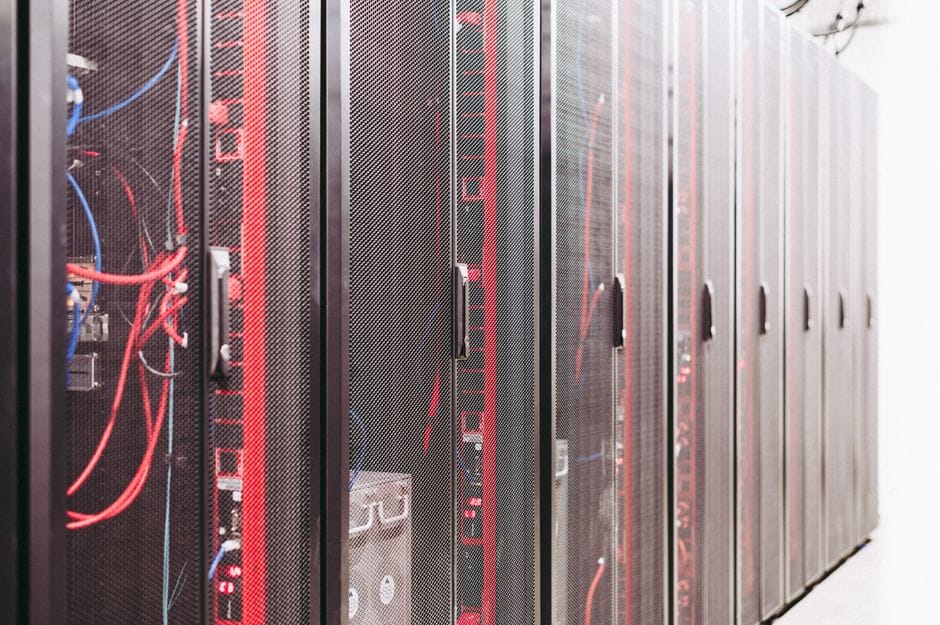
It is easy to think of streaming, scrolling, and cloud storage as weightless. But every video you stream and file you store runs on physical hardware, data centers, networks, and your own devices, all of which use energy. The digital world has a real footprint. It is not the biggest part of most people's impact, but a few easy habits trim it, and they often save battery and money too.
Where the Energy Actually Goes
The power behind your screen comes from three places: the data centers that store and send the content, the networks that carry it, and the device in your hand. Manufacturing the devices themselves is a big hidden cost, often larger than the electricity they use over their life.
The Device Matters Most
Because making a phone or laptop takes so much energy and material, the greenest thing you can do is keep your devices longer.
- Hold on to phones and laptops for an extra year or two instead of upgrading on every cycle.
- Repair and replace batteries rather than buying a whole new device.
- Buy refurbished when you do upgrade, and recycle the old device properly.
Small Habits That Help
A few painless changes cut the energy your digital life uses. Stream at a sensible resolution, since 4K video on a phone screen burns far more data than you can even see. Download music and shows you replay often instead of re-streaming them. Skip leaving video running just for background noise. Clean out cloud files you do not need.
Keep It in Perspective
Digital habits are worth tidying up, but do not let them distract from bigger choices like transportation and home energy. The most useful takeaway is simple: the devices are the heavy part of the footprint, so using them longer does far more good than fretting over a single video stream.
Treat your gadgets as things to keep and maintain, not replace on a schedule, and your digital life gets lighter on the planet and easier on your wallet at the same time.