Coffee is a small daily ritual for millions of people, which means small changes to it add up over a year. Between single-use pods, paper cups, and the grounds themselves, a coffee habit produces more waste than most people realize. The good news is that the lower-waste versions are often cheaper and make a better cup.
Rethink the Pod
Single-serve plastic pods are convenient and wildly wasteful, with billions landing in landfills every year. If you love the machine, a refillable metal pod lets you use your own ground coffee and skips the disposable plastic entirely. Otherwise, a simple brewing method costs less per cup and tastes fresher.
- A French press uses only coffee and water, no filter, no pod.
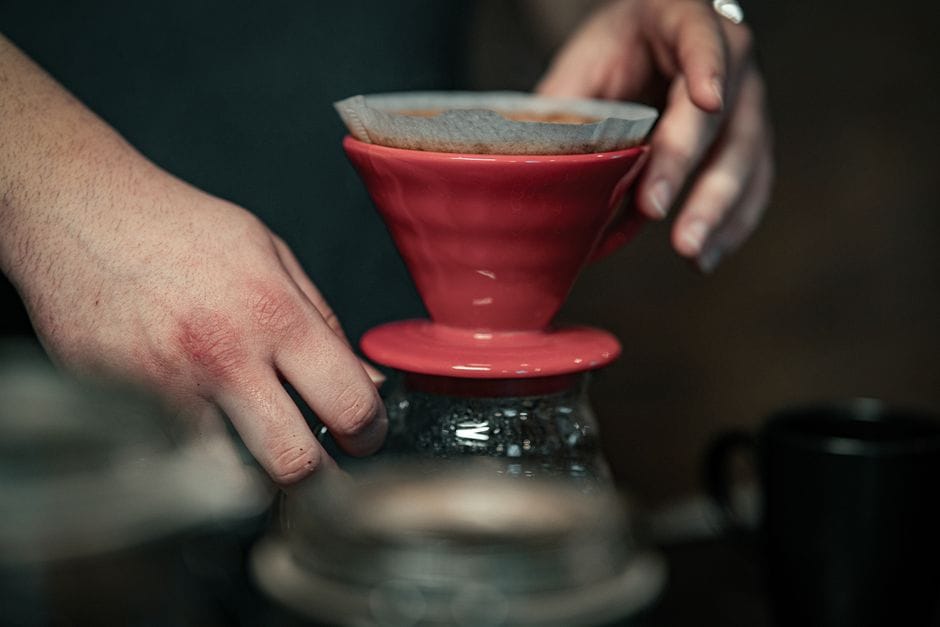
- A pour-over with a reusable metal filter avoids paper filters for good.
- A drip machine works fine with a washable basket filter instead of paper.
Skip the Disposable Cup
Paper cups are lined with plastic, which makes them hard to recycle, and the lids are pure waste. If you brew at home, use a real mug. If you buy out, bring a reusable travel cup, many cafes give a small discount for it. Keeping one in your bag or car removes the excuse.
Put the Grounds to Work
Used coffee grounds are not garbage. They make an excellent addition to a compost pile, adding nitrogen the way fresh greens do. Sprinkled in a garden bed, they enrich the soil. They even work as a gentle scrub for pots and pans.
Buy Beans More Thoughtfully
Buying whole beans in bulk or in a recyclable bag cuts packaging, and grinding at home keeps coffee fresher. Look for beans that are responsibly sourced if that matters to you, but even just reducing the waste around your cup makes a difference.
None of this changes your morning much. Swap the pod, carry a cup, and compost the grounds, and a daily pleasure stops generating a daily pile of trash.