Low-waste grocery shopping has a fancy, expensive reputation, all glass jars and pricey package-free stores. The reality is that buying with less waste usually costs the same or less, because packaging is something you pay for and then throw away. A few simple habits cut the plastic in your trash without raising the total at the register.
Buy the Forms That Use Less Packaging
The same food often comes in very different amounts of packaging, and the lower-waste version is frequently cheaper per serving.
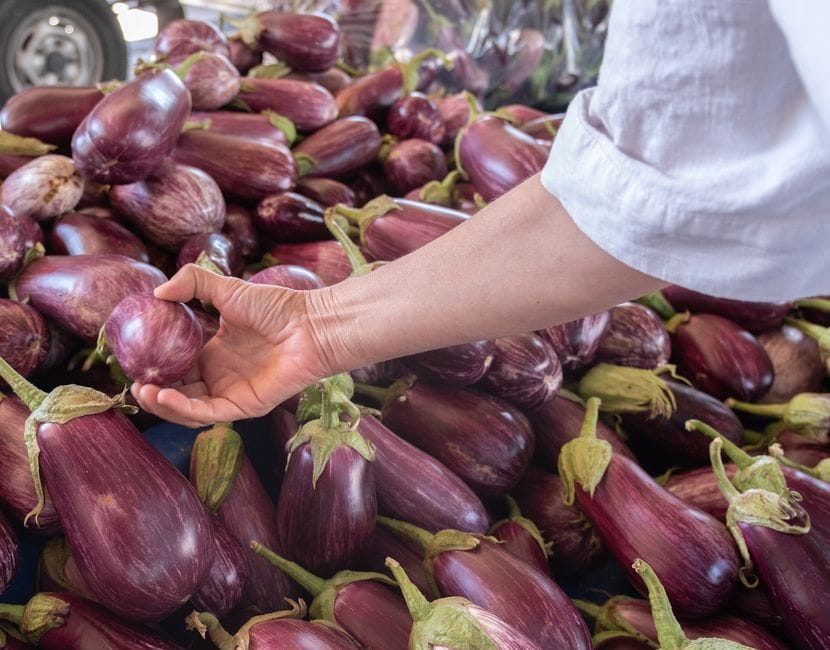
- Loose produce instead of pre-bagged saves money and skips the plastic.
- Bulk bins for rice, beans, oats, and nuts let you buy exactly what you need with no box.
- Concentrates and larger sizes cut packaging per use, as long as you will actually finish them.
Bring Your Own
A handful of reusable bags is the simplest change. Keep sturdy totes and a few lightweight mesh produce bags in the car or by the door so you never forget them. Many stores let you fill your own containers at the bulk and deli counters, just weigh them empty first.
Shop the Edges and the Season
The perimeter of most stores holds the least-packaged food, produce, bakery, and bulk, while the center aisles are wrapped in plastic. Buying what is in season is cheaper and often loose rather than imported and shrink-wrapped. A nearby farmers market can beat store prices at the end of the day.
Plan to Avoid Waste
The biggest waste of all is food you buy and never eat, which is also wasted money. Shop with a short list, buy only what you will use before it spoils, and the savings cover any small extra effort.
Lower waste and lower cost usually point the same direction at the grocery store. You just have to shop a little more deliberately.