Buying in bulk has two real benefits: it usually lowers the cost per unit, and it cuts down on packaging. But it only works if you actually use what you buy. A giant tub of something that spoils or gets stale before you finish it is wasted money and wasted food. The trick is knowing what to bulk-buy and what to leave on the shelf.
Why Bulk Can Be Greener and Cheaper
Smaller packages cost more per ounce and use more plastic and cardboard per serving. A large container or a scoop from a bulk bin spreads that packaging across far more product. For staples you go through steadily, the savings in money and waste are real.
What's Worth Buying in Bulk
- Dry, shelf-stable staples: rice, beans, oats, flour, pasta, and nuts last for months.
- Household basics: toilet paper, soap, and cleaning supplies that never expire.
- Things you use constantly and know you will finish before they go bad.
What to Skip
Bulk is a trap for anything perishable you cannot use fast enough. A huge bag of salad greens, a case of fresh berries, or a giant loaf of bread often rots before you get through it. Trendy items you have not tried are also risky, buy a normal size first to be sure you like it.
Store It Right
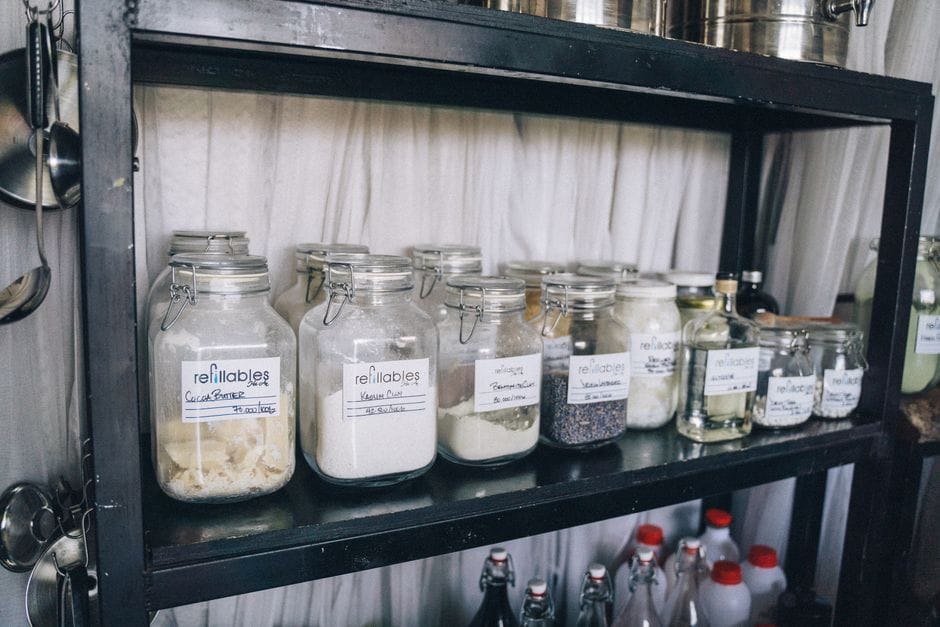
Bulk buying only pays if the food stays good. Move dry goods into airtight containers to keep out moisture and pests. Freeze portions of bread, nuts, and flour to extend their life. Label things with the date so you use the oldest first. Splitting a bulk purchase with a friend or neighbor is a smart way to get the price break without the storage problem.
Done with a little planning, bulk buying trims both your grocery budget and your packaging trash. Just match the quantity to what you will really use, and store it so none of it goes to waste.