Reusable has become shorthand for greener, but the truth is more interesting. A reusable item takes more energy and material to make than a single disposable one, so it only comes out ahead after you use it enough times. Knowing that break-even point helps you spend your effort where it counts and skip the swaps that are mostly for show.
The Break-Even Idea
A sturdy cotton tote bag might need 50 to 150 uses before it beats the plastic bags it replaced, depending on how it was made. A stainless steel water bottle pays off much faster. The lesson is not to avoid reusables. It is to actually keep using the ones you buy, for years, rather than collecting a drawer full of them.
High-Impact Swaps
These get used constantly, so they hit their break-even point quickly and keep paying off.
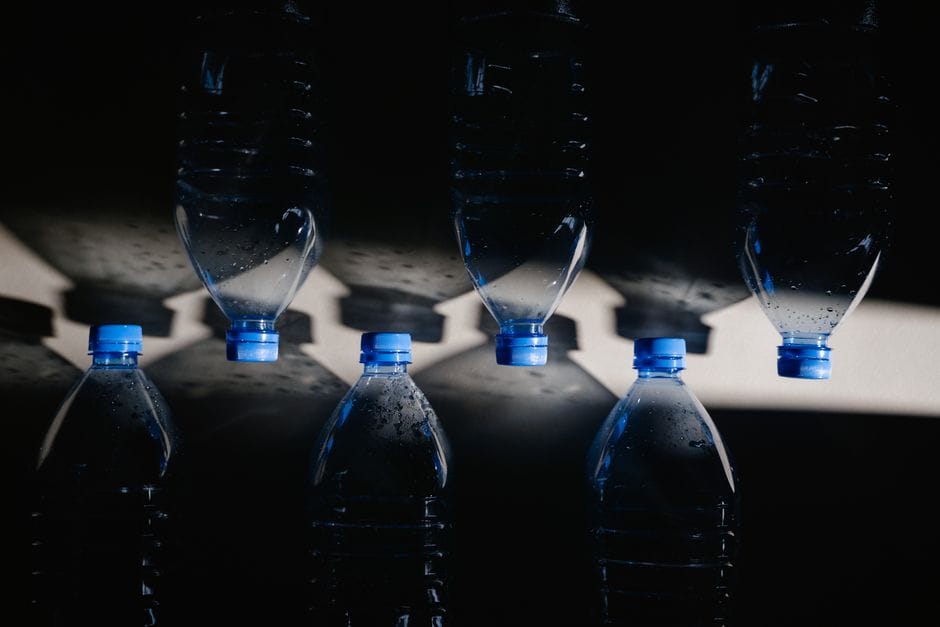
- Water bottle instead of single-use plastic, especially if you currently buy cases of bottled water.
- Coffee mug or travel cup if you grab a coffee most days.
- Cloth napkins and rags in place of paper towels for everyday messes.
- Food storage containers instead of disposable bags and wrap.
Where Disposable Is Fine
Some single-use items exist for good reasons. Medical supplies, certain food-safety situations, and the occasional big party where washing 80 cups is not realistic all have a place. Forcing a reusable option where it does not fit can waste more water and energy than it saves.
The Real Rule
Buy fewer, better reusables and use them until they wear out. One good bottle used for five years beats five trendy ones abandoned in a cabinet. The greenest item is almost always the one you already own and keep using.
Focus your switches on the things you touch every day, and let the rare exceptions be exceptions. That is where reusable actually earns its reputation.