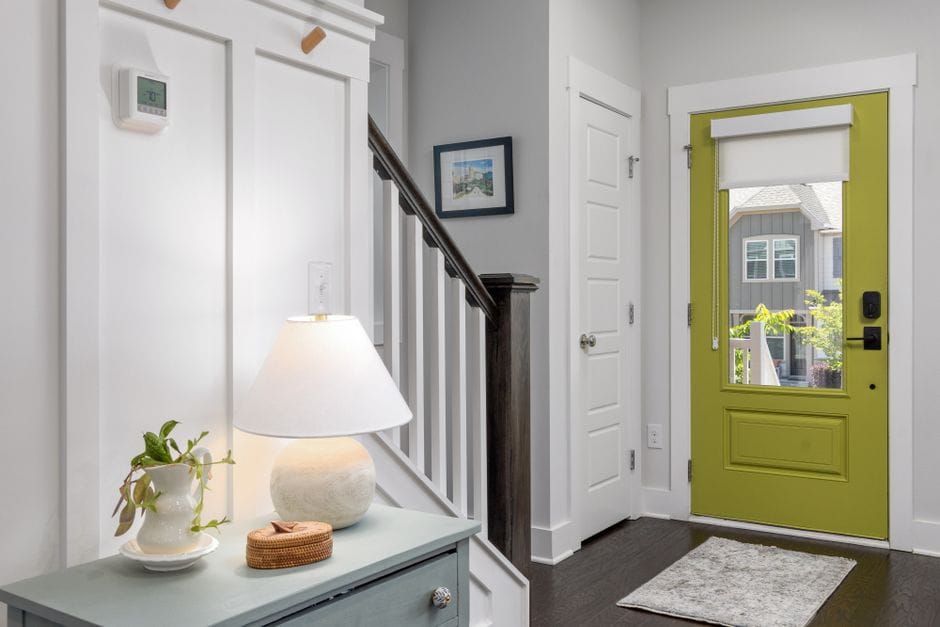
Smart thermostats are marketed as a painless way to cut your heating and cooling bill, and the box usually promises a specific percentage of savings. The truth is more nuanced. They can save real money, but how much depends entirely on what you are replacing and how you use it. For some homes they pay for themselves quickly, for others the gain is modest.
Where the Savings Come From
A smart thermostat saves energy by not heating or cooling an empty house and by easing off when you are asleep. It learns your schedule, senses when you are away, and adjusts automatically. The biggest savings go to people who previously left the system running at one temperature around the clock.
When It Pays Off
- You currently set and forget a single temperature day and night.
- Your schedule varies, so a simple timer would not catch every empty hour.
- You have high heating or cooling bills, meaning each saved hour is worth more.
When It Won't Do Much
If you already use a basic programmable thermostat well, or you are diligent about turning the temperature down manually when you leave, a smart model mostly adds convenience rather than big savings. A home that is occupied around the clock also has fewer empty hours to optimize.
Get the Most From It
The device only helps if you let it work. Set realistic away and sleep temperatures, enable the features that detect when the house is empty, and resist the urge to override it constantly. Many utilities offer rebates that cut the purchase price, improving the payback.
A smart thermostat is a good buy for the set-and-forget crowd and a nice convenience for everyone else. Just match your expectations to your habits, and do not assume the number on the box applies to your house.