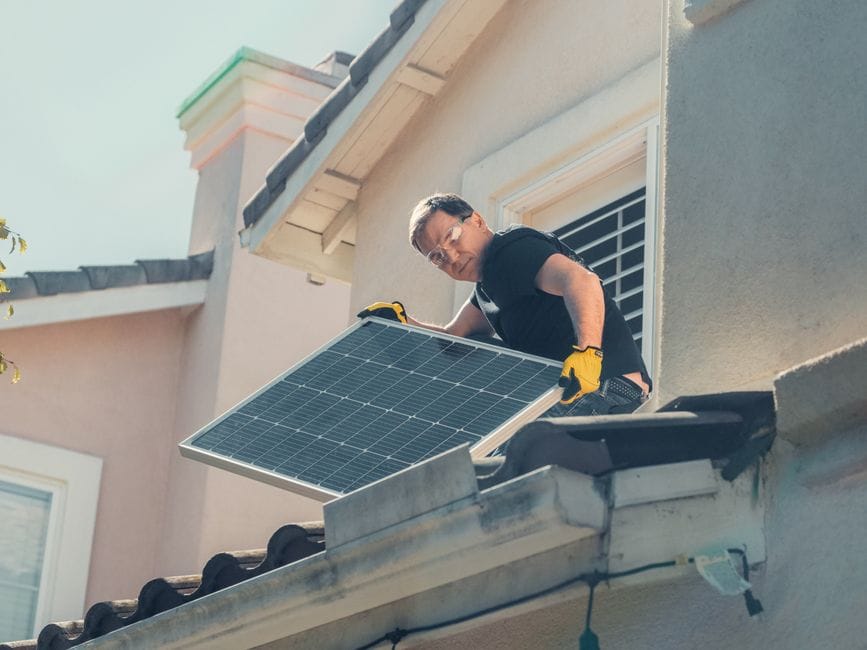
Rooftop solar has gone from a luxury to a mainstream option, with prices down dramatically over the last decade. For the right home, panels can erase most of an electric bill and pay for themselves in years, not decades. But solar is not a fit for every house, and a little honest assessment beats a high-pressure sales pitch.
Start With Your Roof and Sun
Panels need sunlight, so the basics of your roof matter most.
- Direction: south-facing roofs in the U.S. capture the most sun, with east and west still workable.
- Shade: trees or nearby buildings that shadow the roof for big parts of the day cut production sharply.
- Condition: if your roof needs replacing soon, do that first, since removing and reinstalling panels later is expensive.
Run the Numbers Honestly
Solar makes the most sense when your electric bills are high and your local rates are steep, because you are offsetting a bigger cost. Look at your annual electricity use, your utility's rates, and whether your state offers net metering, which credits you for power you send back to the grid. Federal and local incentives can cover a meaningful share of the cost.
Buy, Loan, or Lease
How you pay changes the math. Buying outright gives the best long-term return. A solar loan spreads the cost while you still own the system and keep the incentives. Leases and power-purchase agreements require no money down but hand most of the savings to the company, so read those carefully.
Get More Than One Quote
Prices and quality vary widely between installers. Get at least three quotes, check that they are licensed and well reviewed, and be wary of anyone rushing you to sign. A good installer will show you realistic production estimates, not just best-case numbers.
For a sunny, unshaded roof and high bills, solar can be one of the best home investments available. For a shaded roof or low usage, the payback may not justify it, and that is fine to know up front.