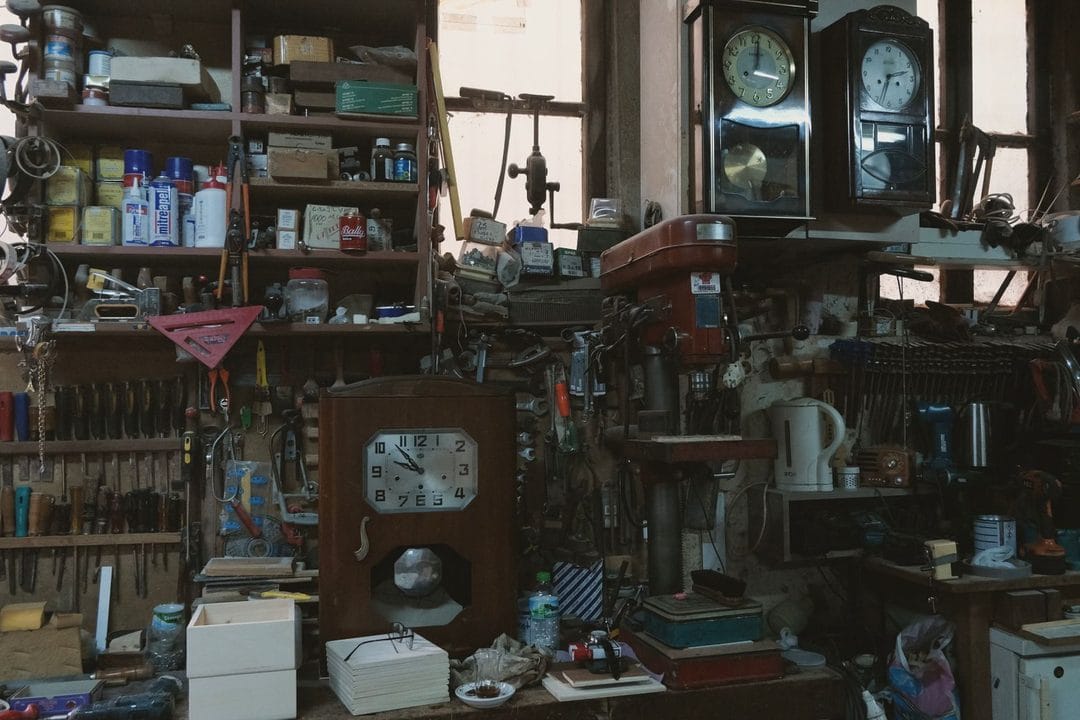
There is a specific sound that means summer has gone sideways in an American house: the box fan that suddenly rattles like a coin in a dryer, or the patio umbrella that snaps at the joint on the first 95-degree afternoon. The reflex is to toss it in the bin and order a new one with two-day shipping. I want to talk you out of that reflex, because summer is actually the easiest season of the year to fix what you own instead of feeding the landfill.
Heat is hard on stuff, and that is the opportunity
Summer breaks things in predictable ways. Fans seize because dust cakes onto the motor bearing. Garden hoses split at the coupling where the rubber has baked. Cooler lids crack, sandal straps let go, and the wheels on the recycling bin disintegrate after one too many afternoons sitting on hot asphalt. Most of these failures look terminal and almost none of them are. A box fan that won't spin is usually one of three things: a clogged motor, a tired capacitor, or a grimy blade that has thrown off the balance. All three are a 20-minute job with a screwdriver and a can of compressed air.
The reason this matters beyond your wallet is volume. Americans throw out a staggering amount of stuff that still works, or that worked until one cheap part gave up. A grill gets hauled to the curb because the igniter clicks but won't spark, when the fix is a $9 replacement igniter from the hardware store and ten minutes on your knees. Repair is not nostalgia. It is the single highest-leverage eco habit most households never try.
Where to actually start when something dies
Before you buy a replacement, give the broken thing one honest hour. Here is the order I work in:
- Search the exact model number plus the word "fix." Someone on YouTube or a forum has almost certainly taken your exact appliance apart and filmed it.
- Check iFixit first for anything with a battery or a circuit board. The guides are free, rated by difficulty, and tell you which screwdriver bit you need before you start.
- Price the replacement part before you price a whole new unit. A grill igniter, a fan capacitor, a hose mender from Home Depot or Ace Hardware — most run under $15.
- If you genuinely can't fix it yourself, find a local repair café. These are volunteer-run pop-ups, often at libraries, where people fix your toaster for free and teach you how while they do it. The Repair Café network has hundreds of US locations and the summer schedule is usually the busiest.
One honest caveat: not everything is worth saving. A microwave with a failed magnetron, or anything where the repair touches the sealed refrigerant on an AC unit, belongs with a professional or in proper e-waste recycling. Repair culture is about judgment, not stubbornness.
Buy the summer stuff used, on purpose
Late June is peak secondhand season, and it is not an accident. School just let out, families are moving between leases, and garages are getting cleaned out for the Fourth of July. That means the patio set, the cooler, the kids' bikes, and the camping gear you were about to buy new are all sitting on someone's lawn with a $20 sticker on them.
Facebook Marketplace and the OfferUp app are flooded right now with barely-used outdoor furniture from people who bought it during the pandemic and never sat in it. A Weber kettle grill that runs $200 new shows up used for $50 constantly, and a stainless grill is one of the few things that genuinely lasts decades. Thrift chains like Goodwill and Habitat for Humanity ReStore are the move for things like canning jars, garden tools, and the random extension cord you need. The carbon cost of a product is mostly baked in before you ever touch it — manufacturing, shipping, packaging. Buying it secondhand means all of that already happened, and you are simply keeping the thing in circulation instead of triggering a new one to be built.
What is worth buying used versus new
Some categories are reliable secondhand buys, and a few really aren't. Cast iron cookware, solid-wood furniture, hand tools, bicycles, and most ceramic planters are nearly indestructible and a steal used. I'd think twice about used helmets, mattresses, and anything with a lithium battery that has clearly been sitting in a hot garage, because heat degrades those cells and you can't see the damage. So what about a used window AC unit, the thing everyone wants in June? Worth it if you can plug it in before you pay and confirm it actually cools — a unit that blows room-temperature air has a dead compressor and is just a heavy box of future e-waste.
Make the fix stick
The reason repair habits fall apart is friction. You don't fix the fan because the screwdriver is in the garage, the compressed air ran out, and you're not sure which screw to turn. So lower the friction now, while it's quiet. Keep a small repair kit in one drawer: a four-bit screwdriver, super glue, a roll of self-fusing silicone tape for hoses, a tube of contact cement for sandal straps, and a multimeter if you want to graduate to electrical work. Total cost is maybe $40, and it pays for itself the first time you skip a replacement purchase.
The deeper shift is mental. We have been trained to see a broken object as trash and a new object as the solution, when the broken object is usually a 15-minute puzzle and a part that costs less than your lunch. The grill that sparks again on the Fourth, the fan that hums quietly through August, the chair you re-webbed in an afternoon — those are the difference between a household that generates a steady stream of curbside junk and one that mostly doesn't.
Start with whatever broke last. There's a good chance it's still sitting in the garage, waiting.