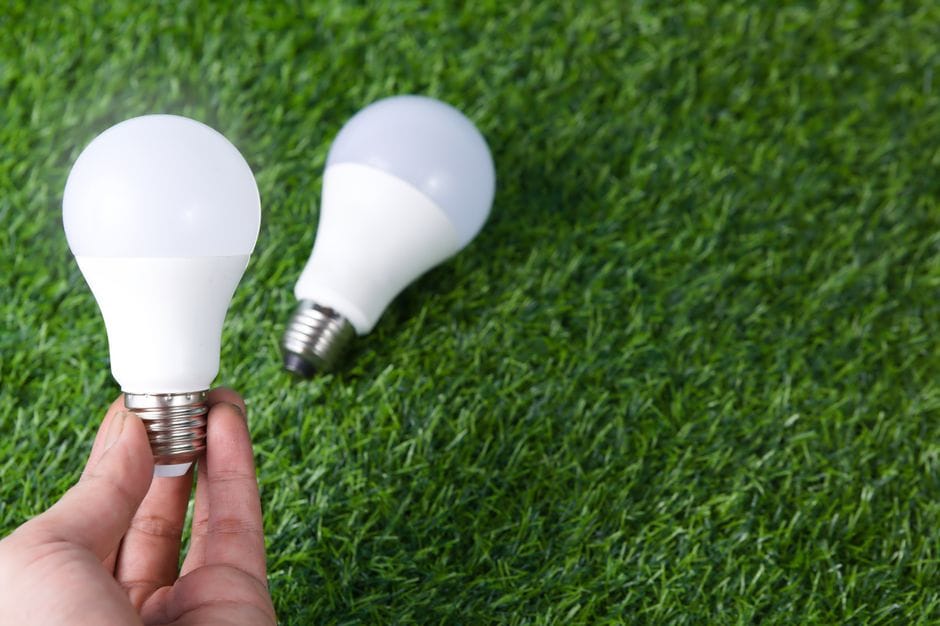
Lighting makes up around 10 percent of a typical home's electricity use, and old incandescent bulbs are the worst offenders. They turn about 90 percent of the energy they draw into heat instead of light. LEDs flipped that math, and the price has dropped enough that switching is one of the easiest wins in the house.
The Numbers in Plain Terms
A standard LED uses roughly 80 percent less power than the incandescent it replaces and lasts 15 to 25 times longer. A bulb you used to replace every year now runs for a decade or more. Even at a slightly higher upfront cost, an LED pays for itself within the first year on energy savings alone.
Reading the Box
Forget watts when you shop. Watts measure power draw, not brightness. Look at two numbers instead.
- Lumens measure brightness. Around 800 lumens matches an old 60-watt bulb.
- Kelvin measures color. 2700K is warm and yellow, good for living rooms and bedrooms. 4000K to 5000K is cool and white, better for kitchens, garages, and work areas.
Start With the Bulbs That Run Most
You do not have to replace everything at once. Swap the lights that stay on the longest first, like the kitchen, the living room, and any porch or hallway light left on in the evenings. Those deliver the biggest savings the fastest. A closet bulb you flip on for thirty seconds a day can wait.
A Note on Dimmers
If a fixture is on a dimmer switch, buy bulbs labeled dimmable, or they will flicker and buzz. For older dimmer hardware, you may need a compatible switch to get smooth, quiet performance.
Once the high-use bulbs are switched, you will not think about replacing lights for years, and a small but steady piece of your power bill simply disappears.