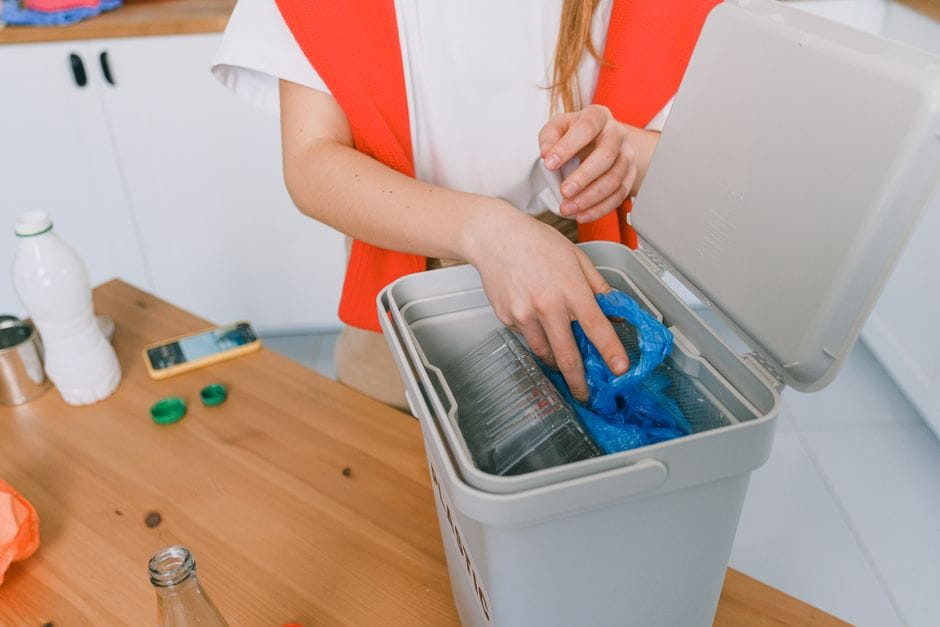
You rinse the container, check for the little triangle, and toss it in the bin feeling good. The harder truth is that much of the plastic put out for recycling is never actually recycled. Understanding why helps you focus on the plastics that do get reused and avoid the habits that quietly make things worse.
The Numbers Inside the Triangle
The number stamped on a plastic item is a resin code, not a promise that it will be recycled. It only tells you what type of plastic it is.
- Numbers 1 and 2 (think water bottles and milk jugs) are widely accepted and have real markets.
- Number 5 (yogurt tubs, some takeout containers) is accepted in more places than it used to be.
- Numbers 3, 6, and 7 are rarely recycled curbside and usually end up in the landfill regardless of the bin.
Wishcycling Makes It Worse
Tossing questionable items in the bin "just in case" is called wishcycling, and it backfires. Greasy containers, plastic bags, and the wrong materials can contaminate a whole batch, sending good recyclables to the landfill along with the bad. When in doubt, leave it out.
A Few Rules That Help
Empty and lightly rinse containers so leftover food does not spoil a load. Keep plastic bags and film out of the curbside bin entirely, since they tangle the sorting machines. Many grocery stores have a separate drop-off for clean bags and film.
The Honest Takeaway
Recycling is real and worth doing, but it is the last resort, not the first. The plastic that never gets made is the only kind guaranteed not to end up in a landfill. Reducing what you buy and reusing what you have does far more than sorting ever can.
Recycle the 1s and 2s properly, skip the wishful tossing, and put your bigger effort upstream, into buying less single-use plastic in the first place.