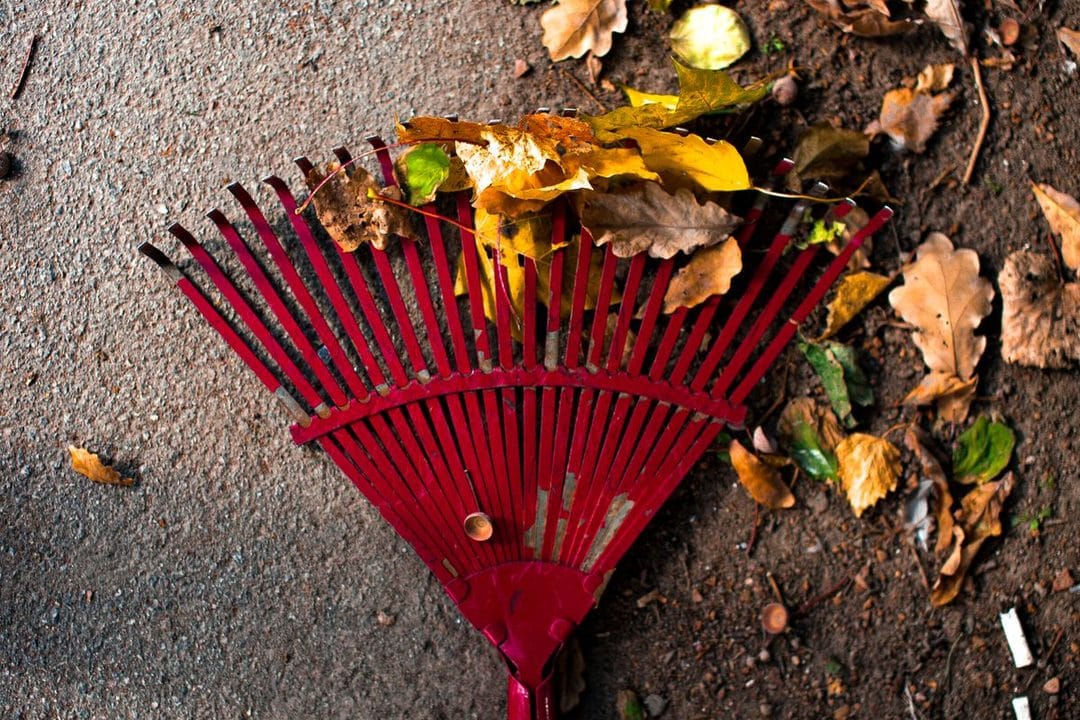
Rake the leaves to the curb, and a truck eventually hauls them away — that's about as far as most homeowners think it through. But in the roughly 30 states that now restrict yard waste from landfills, that pile of maple and oak leaves is headed somewhere specific: a windrow composting site where it will spend the next four to eight months turning into something a landscaping crew will spread on someone's flower beds next spring. Understanding that process changes how you should think about your own leaves this month, and it explains why some neighborhoods still see homeowners bagging leaves themselves instead of waiting for the truck.
Where curbside leaves actually go
Most municipal leaf programs run on one of two models: a vacuum truck that sucks loose piles directly off the curb, or a claw-arm truck that picks up leaves bagged in paper. Either way, the leaves get trucked to a regional composting facility rather than a landfill — that shift happened gradually over the past two decades as states adopted organic-waste diversion laws, and it's now the default in most mid-size and large cities rather than the exception. At the facility, leaves get piled into long rows called windrows, typically six to eight feet high, and turned every few weeks with a specialized machine that looks like an oversized rototiller mounted on a tractor.
The turning matters more than people assume. Left alone, a pile of leaves breaks down anaerobically — slowly, and with a sour smell as it goes. Turned regularly, the pile stays aerobic, the internal temperature climbs to 130–160°F, and the whole mass finishes in a fraction of the time. A well-run municipal operation gets leaves from windrow to screened, bagged compost in five to seven months, which is why most cities that run these programs also sell the finished product back to residents the following spring — often for a nominal fee, sometimes for free with proof of residency. Check your city's public works page in April; if they mention a "compost giveaway" or "mulch pickup day," that pile came from last fall's leaves.
Why bagging is still the better call in a few situations
None of this means curbside pickup is always the right move for your yard. If you've got black walnut trees, the leaves contain juglone, a compound that suppresses growth in nearby plants — composting facilities dilute it enough that it's a non-issue at scale, but if you're composting at home in a small backyard bin, walnut leaves are one of the few materials worth keeping out entirely. And if your city's pickup schedule runs on fixed dates rather than on-demand routes, leaves that drop late in November can sit at the curb for two or three weeks past the final collection, which is worse for your lawn than doing nothing at all.
A thick, wet leaf mat left on grass through a cold snap smothers the lawn underneath — not because the leaves themselves are harmful, but because they block light and trap moisture against grass blades that are trying to go dormant. Homeowners with tight collection windows are generally better off mulching leaves directly into the lawn with a mower on the highest deck setting, which shreds them fine enough to filter down between grass blades and break down over the winter. This works for a leaf layer up to about three inches deep; beyond that, you need to bag or compost the excess separately.
The paper-bag question
If your city requires bagged leaves rather than loose piles, use paper, not plastic — most composting facilities can't process leaves in plastic bags because the bags don't break down and clog their turning equipment, so plastic-bagged leaves frequently get diverted straight to the landfill regardless of the city's stated composting program. Kraft paper lawn bags run about $6–9 for a five-pack at most hardware stores, and they're rated to hold roughly 30 gallons of dry leaves before the wet bottom seam gives out. Buy them a size bigger than you think you need — a bag stuffed past its rated capacity tears when the truck's claw grabs it, and then you're re-raking the same leaves off the street.
Skip the plastic contractor bags sitting on the same shelf, even though they're cheaper per gallon and don't rip as easily. They cost you nothing this week and cost the composting program everything down the line, since a single plastic bag mixed into a windrow means someone has to physically pull it out before the batch can finish, and one facility operator we've talked to put it plainly: workers pulling plastic out of leaf piles is one of the least popular jobs on the crew, and it's entirely avoidable at the source.
Skipping the truck altogether: leaves as garden mulch
Not every leaf needs to leave your property at all. Shredded leaves make one of the better free mulches available for perennial beds — spread two to three inches around (not touching) the crowns of hostas, peonies, or coneflowers, and they insulate roots through freeze-thaw cycles that otherwise heave shallow-rooted perennials right out of the soil. Keep the layer off the crown itself, though; leaves piled directly against the stem base trap moisture against the plant through winter and invite crown rot by spring, which is the one mistake that turns a helpful mulch layer into a liability.
Leaves that sit whole and unshredded in a corner of the yard for a year or two become leaf mold instead of compost — a slower, fungal-driven breakdown rather than the bacterial process that drives a hot compost pile. Leaf mold won't add much nitrogen, but it improves soil structure and water retention better than almost anything else you can make at home for free, and gardeners who topdress beds with it every fall tend to water noticeably less the following summer. The tradeoff is patience: where a managed compost pile finishes in months, a passive leaf mold pile in wire mesh or a simple wooden bin takes twelve to eighteen months with no turning required at all.
Home composting: skip the leaves-only pile
If you'd rather keep your leaves on-site instead of sending them anywhere, a leaves-only compost pile is one of the slower ways to do it — dry leaves are almost pure carbon, and a pile without nitrogen-rich material (grass clippings, kitchen scraps, coffee grounds) can take a full year or more to break down instead of the two to four months a balanced pile needs. The fix is simple: layer shredded leaves with green material at roughly a 3-to-1 ratio by volume, and turn the pile every couple of weeks with a garden fork. A $30 compost thermometer from any garden center tells you whether it's working — anything below 100°F for more than a week means the pile needs more nitrogen or more moisture, not more patience.
Shredding first is the step people skip, and it's the one that matters most. Whole leaves mat together into dense, wet layers that block airflow through the pile; run them through a mower or a dedicated leaf shredder first, and the same volume of material breaks down two to three times faster because air and moisture can actually move through it. A gas-powered chipper-shredder costs $200–400 for a homeowner-grade model from brands like Sun Joe or Patriot, though for most yards, three or four passes with a regular mower does nearly as well for free.
Whichever route you pick this fall, the choice isn't really between "sustainable" and "not" — curbside composting, mulch-mowing, and a home compost pile all keep leaves out of the landfill, just on different timelines and with different amounts of your own labor involved. Check your city's collection calendar this week if you haven't already; the on-demand vacuum trucks in particular tend to book solid within days of the first hard frost, and missing your window means bagging leaves you'd otherwise have gotten picked up for free.