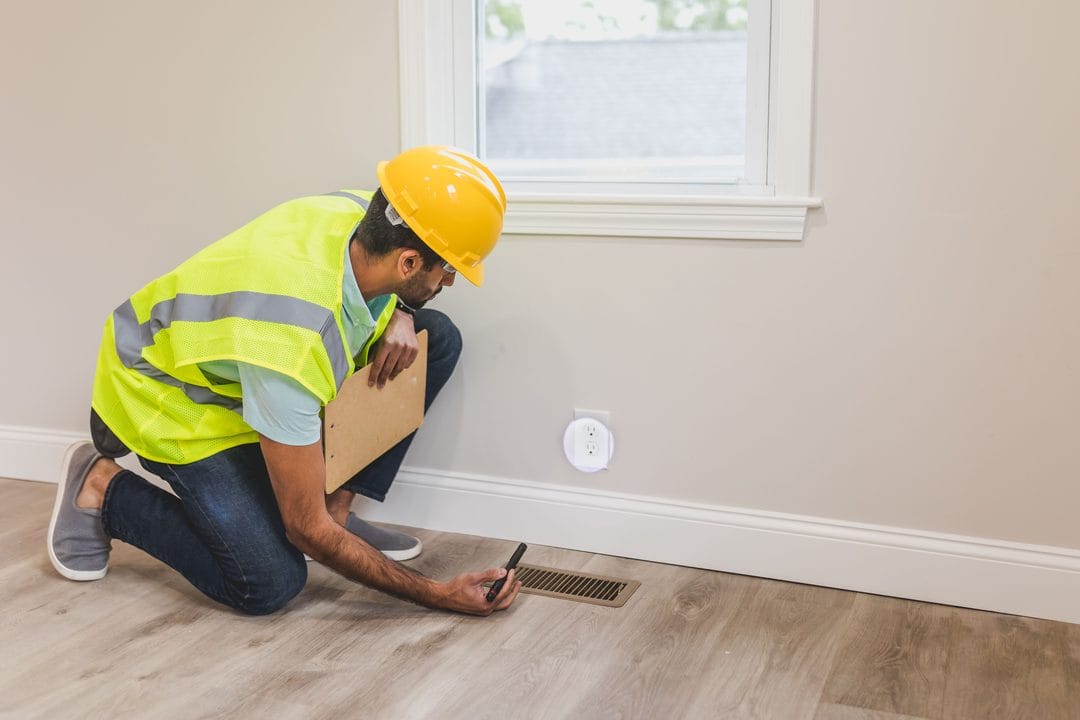
Right now your air conditioner is probably still running most afternoons, and the idea of a furnace feels like a problem for a different month entirely. That's exactly the blind spot HVAC technicians wish more homeowners caught before it costs them money. By the time the first real cold snap hits in October, every heating and cooling company within driving distance is booked solid, diagnostic fees quietly climb along with demand, and a furnace that's been sitting dormant since April gets asked to run flat-out for six months without anyone having looked at it first. Early September is the slack period on every HVAC company's calendar. Technicians have room for a routine visit, parts are sitting in stock instead of on backorder, and you're not paying the rush premium that shows up the moment the thermometer drops and everyone else remembers their furnace exists at the same time.
None of what follows requires a full weekend or a contractor's toolbox. Most of it is cheap, takes under an hour per task, and doesn't demand you know the difference between a heat exchanger and a plenum before you start.
Book the tune-up now, not when it's cold
A standard gas furnace tune-up from a licensed HVAC company runs $100 to $200 in most parts of the country, and that price holds steadiest in September before the seasonal rush distorts it. Call the same company in late October asking for an appointment before the first freeze, and you'll often hear "next available slot is three weeks out" — or you'll pay an emergency surcharge if the furnace fails on the first genuinely cold night and you need someone that day. Companies like Service Champions and ARS/Rescue Rooter, along with most independent local shops, report the same seasonal pattern every year: call volume roughly triples between mid-October and Thanksgiving.
What you're actually paying for in a tune-up matters more than the price tag suggests. A technician checks the heat exchanger for cracks — a genuine carbon monoxide risk, not a sales-pitch scare tactic — tests the ignition system, measures gas pressure, and confirms the blower motor and belts aren't worn past their useful life. Skip this if your furnace is under five years old and you're comfortable handling basic maintenance yourself. But if the unit is original to a house built before 2010, book the visit; a cracked heat exchanger doesn't announce itself with a strange noise, it shows up as a carbon monoxide detector going off at two in the morning.
Change the filter before you forget it exists
A one-inch pleated filter — the Filtrete brand from 3M is the one you'll find at every Home Depot and Lowe's — costs $12 to $25 depending on the MERV rating, and a dirty one is the single most common reason furnaces run inefficiently or short-cycle through a heating season. MERV 8 is fine for most households. MERV 11 or higher helps if anyone in the house deals with allergies, though it also makes the blower motor work harder, so check your furnace's manual before jumping straight to the highest number on the shelf. Write the install date on the filter frame with a permanent marker — it sounds obvious, and almost nobody actually does it.
Seal the gaps before the furnace has to fight them
Weatherstripping and duct sealing aren't technically furnace maintenance, but they determine how hard that furnace has to work once it's finally running. Frost King rope caulk and foam weatherstripping kits at any hardware store cost under $20 and handle door and window gaps in an afternoon. Ductwork is a separate issue entirely — if you can access exposed ducts in a basement or crawl space, seal the joints with metal-backed foil tape or mastic sealant, never standard cloth duct tape despite the name, since ordinary adhesive tape dries out and fails within a couple of winters. A duct system leaking 20 percent of its airflow, which isn't unusual in homes over fifteen years old, forces the furnace to run longer to hit the same thermostat setting. That shows up directly on the gas bill by December.
This is where older houses complicate the picture.
A home with cast-iron radiators and a single-pipe steam system doesn't have ducts to seal at all, and the maintenance checklist looks completely different — bleeding air valves, checking the boiler's water level, inspecting the pressure relief valve. If that's your setup, skip the duct advice above entirely and find a technician who specifically services steam heat. Not every HVAC company does, and hiring someone who's only ever worked on forced-air furnaces to service a steam system tends to go badly.
Set the thermostat to work for the season ahead, not just for today
If you're still running a manual dial thermostat, replace it. A basic programmable model like the Honeywell RTH7600 runs about $50, and a smart thermostat such as the Ecobee Smart or the Google Nest Learning Thermostat lands between $130 and $250 depending on the model and whatever rebate your utility currently offers. Both Ecobee and Nest publish real usage data suggesting 10 to 12 percent savings on heating costs from scheduling alone, mostly because most households leave the temperature constant even during the eight or nine hours a day nobody's actually home. Set a lower daytime temperature for when the house is empty, and program the recovery to start about 30 minutes before anyone gets back, rather than manually adjusting the dial twice a day and inevitably forgetting on the days it matters most.
Check the exterior vent and the carbon monoxide detector while you're at it
Gas furnaces vent combustion byproducts outside through a pipe or flue, and that vent needs to stay clear of leaves, wasp nests, or the general debris that accumulates over a summer nobody spent looking at it. A blocked vent on a gas appliance is a genuine safety issue, not a maintenance nicety. Battery-powered CO detectors run $20 to $30 at any hardware store and belong near sleeping areas. If yours is more than five years old, or you can't remember the last time the battery was changed, replace it now rather than during the first cold week, when you'll be more focused on whether the furnace is actually working than on detector maintenance.
Worth doing at the same time: if your furnace has a whole-house humidifier attached, the evaporator pad usually needs replacing once a year — an Aprilaire pad runs $10 to $15 and takes about five minutes to swap once you know where the access panel is.
What this actually costs, and what it actually saves
Add it up and a full pre-season pass — professional tune-up, a new filter, weatherstripping, a CO detector check, and a mid-range programmable thermostat if you don't already have one — lands somewhere between $150 and $350 for most single-family homes, done once and mostly forgotten about until next September rolls around. Compare that to the average cost of an emergency furnace repair call in December, which regularly runs $300 to $600 before parts, plus the discomfort of a house sitting at 55 degrees while you wait for a technician who's already double-booked for the week. The tune-up is the better bet every time, and the arithmetic barely changes from one year to the next.
None of these tasks need to happen on the same weekend, and there's no strict order beyond booking the professional visit early, since that's the one item on this list you don't fully control once the calendar fills up. Do the filter and the CO detector check this week — together they take fifteen minutes and cost less than a takeout dinner. The furnace won't care that it's still 85 degrees outside when you finally turn it on for the first time in October. It'll just run better, because someone looked at it in September instead of waiting for it to fail.