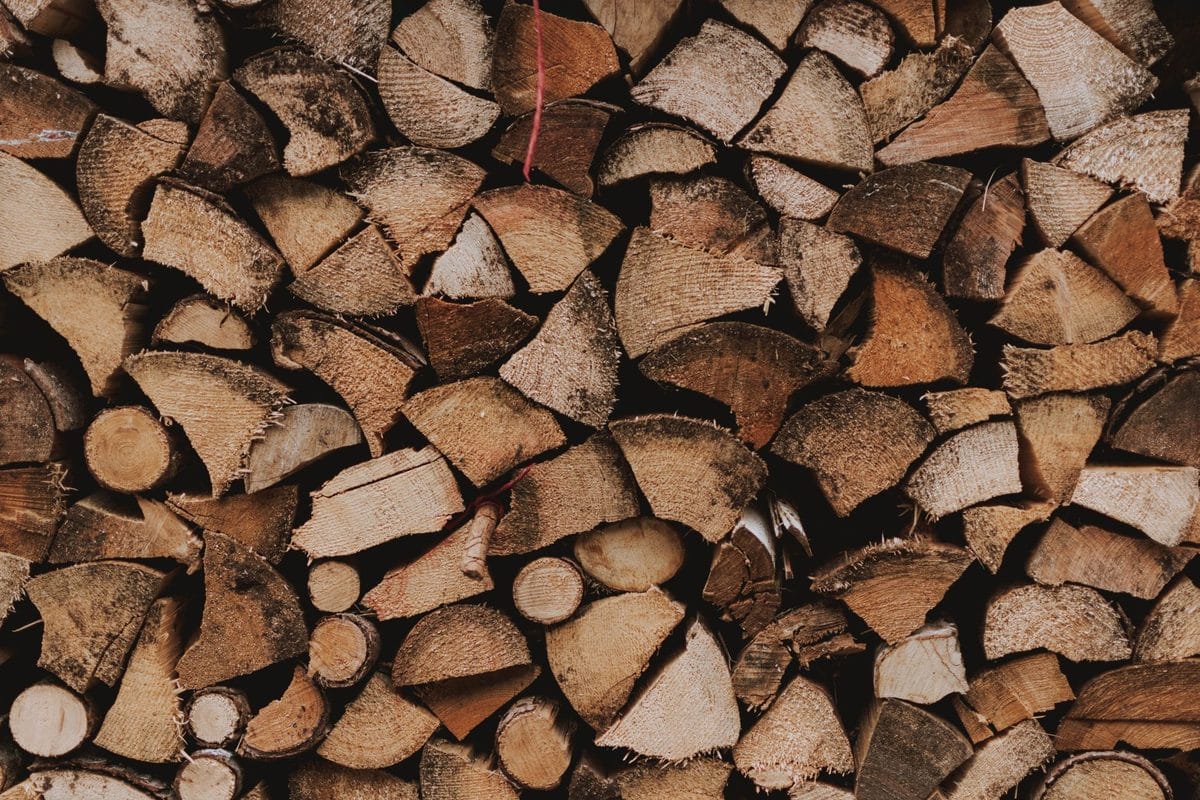
The guy selling bundled firewood out of the back of a pickup outside the gas station on Route 9 doesn't know where his logs came from, and neither do the people buying them. Nobody asks. It's five dollars a bundle, it's September, the nights are starting to get that first real chill, and the wood looks fine. That transaction — repeated at gas stations, roadside stands, and big-box parking lots across the country every fall — is one of the main ways invasive tree-killing insects move from state to state, and almost nobody buying firewood this season has any idea they're part of it.
This isn't a guilt-trip about carbon footprints or an abstract call to "shop sustainably." It's a specific, fixable habit: where your firewood was cut determines whether you're heating your house or helping spread a beetle that's already wiped out hundreds of millions of ash trees since it turned up in a shipping crate near Detroit in 2002. The fix costs nothing extra and usually saves money too, once you know what to actually ask for.
The Ten-Mile Rule That Actually Has Teeth
Firewood should come from within about ten miles of where you're going to burn it — fifty at the outside, if you're in a rural area with fewer local sellers. This isn't a suggestion from a wellness blog. It's the operating principle behind the USDA-backed Don't Move Firewood campaign, and most state agriculture departments now put some version of it into law for state parks and public campgrounds. The reason is that adult beetles and larvae travel inside bark and under log surfaces where nobody's going to spot them at a glance, and a single truckload of firewood driven from an infested county to a clean one can start an outbreak that costs a state forestry department millions of dollars to contain.
Emerald ash borer is the poster case — first confirmed in Michigan in 2002, almost certainly arriving in wood packing material from Asia, and now established in more than 35 states because people kept moving firewood around. Spotted lanternfly is the newer problem: first found in Berks County, Pennsylvania, in 2014, and now under active quarantine in parts of Pennsylvania, New Jersey, New York, Ohio, and several other states, where moving firewood, mulch, or even outdoor furniture out of the quarantine zone without inspection is technically illegal. If you live in or near one of those zones, check your state agriculture department's site before you haul anything — the fines are real, and so is the tree damage on the other end.
What You're Actually Buying, and What It Should Cost
A full cord is 128 cubic feet, stacked — the standard measurement is 4 feet high, 4 feet deep, and 8 feet long. Seasoned hardwood (oak, maple, hickory) runs roughly $250 to $350 a cord in the Midwest and $350 to $450 in the Northeast, where demand is higher and hardwood forests are farther from population centers. Softer woods like pine or poplar burn faster and cheaper, usually $150 to $250, and they're fine for occasional fires but a poor choice if you're heating a stove daily.
Here's the part almost every buyer gets wrong: a lot of what gets sold as a "cord" is actually a face cord, sometimes called a rick — the same 4-by-8 footprint but with logs cut to a shorter length, so the actual volume is closer to a third of a real cord. A stacked face cord looks almost identical to a full cord to anyone who hasn't measured one before. Bring a tape measure when you pick up a delivery, and don't pay for a full cord until you've confirmed the depth yourself — a seller who balks at that request is telling you something.
Buy the Certified Stuff If You're Taking It Anywhere
If you're driving to a campground this fall, don't bring wood from home at all.
Buy heat-treated firewood at or near your destination instead — look for the "HT" stamp or a USDA APHIS certification sticker on the bundle, which means it's been kiln-dried at a high enough temperature to kill anything living inside it. These typically come shrink-wrapped in small bundles for $6 to $9 at campground stores, state park entrance booths, and chains like Cutting Edge Firewood that specifically sell certified, treated wood for exactly this purpose. It costs more per log than what's stacked in your garage, and it's worth every extra dollar — a $7 bundle is nothing next to the cost of a regional pest outbreak, and most campgrounds will simply turn away wood that isn't certified anymore.
Seasoning Your Own Wood Skips the Guessing Entirely
The most reliable way to know exactly where your firewood came from is to cut and season it yourself, assuming you've got the land and a wood-burning appliance that can use it. Freshly cut wood holds 45 to 60 percent moisture and won't burn cleanly — you're aiming for under 20 percent, which you can check with a cheap pin-style moisture meter (General Tools' MMD4E runs about $20 and works fine for this). Split the rounds, stack them off the ground on pallets or rails with the tops covered and the sides open to airflow, and give hardwood at least six to twelve months before you burn it. Oak is the slow one — some people season it a full two years. Ash and pine dry faster and can be ready in four to six months if the summer's been warm and windy.
This only works if you actually have the space and the lead time, though, and that's the catch nobody mentions when they recommend it. A quarter cord takes up more real estate than most suburban side yards have to spare, and if you're heating with a stove through a full winter, you needed to start stacking back in the spring — not this week, watching the first cold snap roll in with an empty rack.
When Firewood Isn't Actually the Better Option
Compressed wood bricks are worth a look if you don't have a reliable local wood source, or if you're burning occasionally rather than heating a house. Bio Bricks and Duraflame's Pres-to-Logs run about $6 to $8 per brick, burn hotter and cleaner than seasoned cordwood, produce far less creosote buildup in the flue, and carry zero risk of moving pests — they're made from compressed sawdust, not whole logs, so there's nothing alive in them to begin with. For anyone in a condo or under an HOA that restricts stacked wood storage, or anyone whose neighborhood already deals with wood-smoke air quality advisories on cold, still nights, that's the better call, not a compromise.
A gas fireplace insert is the honest answer for a lot of households, even ones that love the look of a wood fire. It's not the romantic choice, and it won't smell like a campfire, but it produces near-zero particulate pollution compared to a wood stove, needs no seasoning, no delivery truck, and no firewood rack eating up the side yard. If ambiance is the whole point and you already have a wood-burning fireplace you love, keep it — just buy smart. If you're deciding what to install in a new build or a remodel, gas wins on the numbers.
What to Actually Ask Before You Buy
Next time you pull up to a roadside stand or call a local seller, ask one question before you ask the price: where was this cut? A legitimate local seller answers immediately, usually naming a county or a specific property. If you get a shrug, a vague "around here somewhere," or a seller who clearly bought a load wholesale from three states away to resell at a markup, that's your answer, and it's not a fine you'll ever see — it's a beetle you'll never notice until the ash tree on your neighbor's boulevard is dead.