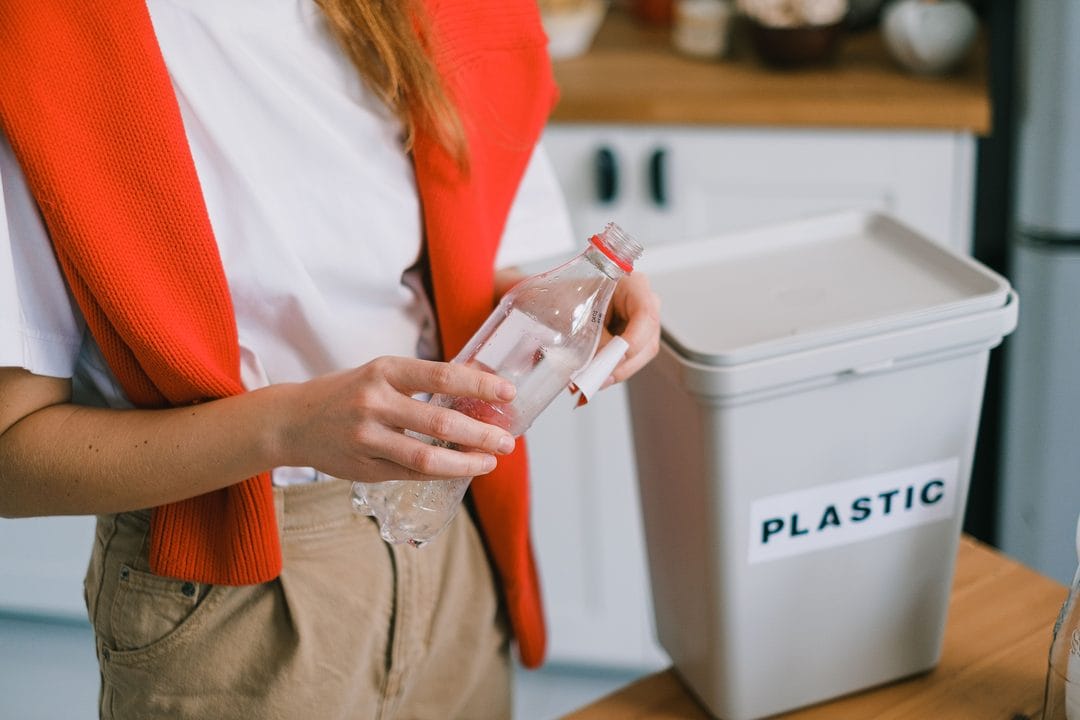
The Bin You Think You Understand
Pull your recycling bin to the curb this week and take an honest look at what's actually inside it. Somewhere in there is probably a greasy pizza box, a plastic bag stuffed with yogurt cups, maybe a garden hose you gave up on repairing, or a string of last December's lights that stopped working around New Year's. None of that belongs there, and all of it makes the load worse for everything else riding along with it. Recycling professionals call this habit "wish-cycling" — tossing something in the bin because it feels recyclable, not because it actually is, on the theory that the sorting facility will figure it out. It won't. Most municipal recovery facilities run on fast-moving conveyor belts and optical scanners built to separate a narrow set of materials, and anything outside that set either jams the machinery or contaminates a bale that would otherwise sell to a buyer.
Plastic Bags and Film Are the Number One Offender
If you take away one thing from this article, make it this: plastic grocery bags, bread bags, bubble wrap, and the plastic wrap around a case of water bottles do not go in your curbside bin, ever. Thin film plastic wraps around the sorting equipment's rotating shafts like fishing line around a boat propeller, and a single bag can force a facility to shut down a line for cleaning. Skip the bin entirely for these. Most Target, Kroger, and Whole Foods locations keep a labeled collection box near the entrance specifically for clean, dry plastic film — look for the How2Recycle "Store Drop-Off" label on the packaging itself, which tells you the material qualifies. Rinse your bags out if they held produce, let them dry, and bring a week's worth in one trip rather than making a special drive for a single bag.
What a Greasy Pizza Box Actually Tells the Sorter
Cardboard is one of the most valuable materials in the bin, which is exactly why a grease-soaked pizza box does real damage. Paper mills need the fiber in cardboard to be clean enough to re-pulp, and oil breaks down that fiber during processing the same way it would ruin a batch of flour. Tear off the greasy, cheese-stained bottom section and toss that part in the trash or, better, a compost bin if your city collects food scraps. The clean lid and sides are still good. Don't overthink this one — a few faint grease spots won't sink an entire bale, but a box that's translucent with oil will.
The Tanglers: Hoses, Cords, and Anything With a Wire Inside
Garden hoses, extension cords, string lights, wire hangers, and headphone cables share one property that makes them the enemy of every material recovery facility in the country: they tangle. A single garden hose looped around a sorting arm can take a crew twenty minutes to cut free by hand, and it happens often enough that some facilities post photos of the worst "tanglers" of the month on their websites as a kind of cautionary gallery. None of this belongs curbside. Wire hangers go back to the dry cleaner that gave them to you in the first place — most take them without a word. String lights are trickier, since almost no municipal program wants them; check whether your city runs a seasonal lights collection, which several do right after the holidays, or hold onto them for a hardware store take-back event.
Black Plastic Confuses the Scanner, Not the Landfill
Here's a genuine oddity of modern recycling: black plastic containers, including the trays that hold pre-cooked chicken or the lids on some yogurt tubs, are often technically recyclable plastic but get rejected anyway. Optical sorters identify plastic type by bouncing infrared light off the material and reading what bounces back, and carbon-black pigment absorbs that light instead of reflecting it, so the scanner sees nothing and the item gets shunted to the reject stream by default. This isn't a flaw in your effort — it's a blind spot baked into the equipment itself, and it's worth knowing so you stop assuming every rejected item was somehow your fault. If you're buying takeout containers or freezer trays and have a choice, clear or light-colored plastic clears the sorter far more reliably than black.
Glass Rules Depend Entirely on Your Zip Code
Two neighboring towns can have completely opposite rules for the same wine bottle.
Nowhere does recycling advice vary more by location than glass. Some cities, largely in the Northeast and parts of California, collect glass jars and bottles right alongside everything else in a single curbside cart. Plenty of others, especially across the Midwest and South, ask residents to keep glass out of the mixed bin entirely and drop it at a dedicated collection point instead, because broken glass shards contaminate paper and cardboard loads and dull sorting equipment blades. Neither approach is wrong — they reflect what the nearest processing facility can actually handle, and that facility might be one town over from a city with completely different rules. Check your city's or county's website before assuming last year's apartment recycling habits still apply at your new address; five minutes there will save you a rejected bin.
The honest complication is that even correct sorting only gets you halfway. A perfectly clean, properly separated load can still end up landfilled if there's no working buyer for that specific material grade in your region that month — recycling is a commodity market as much as a waste system, and demand for mixed-color glass or certain plastic grades genuinely does dry up. That's not a reason to give up on sorting correctly. It's a reason to also cut down on how much single-use packaging comes into the house in the first place, since the material you never buy never has to find a buyer at all.
Where the "Maybe" Pile Actually Belongs
A surprising amount of what people wish-cycle has a real home — just not in the blue bin. Best Buy accepts small electronics, cables, and batteries at every U.S. store for free, no purchase required, up to a daily item limit. TerraCycle runs free, brand-sponsored drop-off programs for items like Colgate oral care packaging and certain snack wrappers, and sells paid "Zero Waste Boxes" for harder categories like coffee capsules or shoes when no free program exists. Sephora and Ulta both run in-store beauty-empties collection bins. And in cities where Ridwell operates, its weekly or biweekly pickup service — running roughly $18 to $36 a month depending on the market and plan — handles the genuinely awkward stuff: batteries, light bulbs, plastic film, and rotating specialty items your city truck will never take. None of these require a special trip to a landfill or a guilty conscience; they just require five minutes of looking up the right channel before the item goes in a bin at all.
A Household Routine That Actually Holds Up
Fixing this doesn't require a chart on the fridge or a new app. Keep a small paper grocery bag or shoebox near the kitchen trash specifically for plastic film, and empty it into the store drop-off bin on your regular shopping trip — that one habit alone removes the single most damaging contaminant from your curbside load. Rinse anything that held food before it goes in the bin; a rinse under running water for three seconds is enough, no dish soap required. And when in doubt about a specific item, check your city's recycling guide rather than guessing, since the honest answer is that "just put it in and hope" is worse for the system than throwing the item in the regular trash. A recycling bin that gets rejected at the facility because of contamination often ends up in the landfill anyway, which means wish-cycling doesn't even guarantee the outcome it's trying for.
Start with the plastic bags. That single change fixes more of the bin than everything else on this list combined, and it's the one habit every hauler, sorter, and municipal recycling coordinator agrees on without exception.