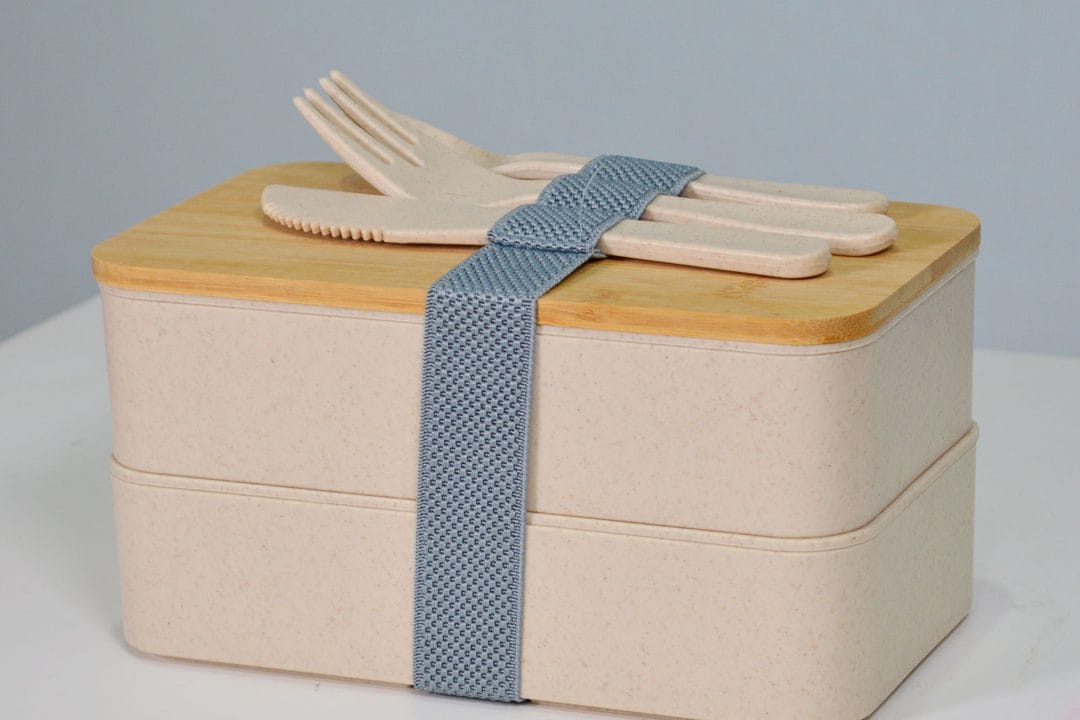
Why August Is the Month to Fix the Lunchbox
Somewhere between the last pool day and the first day of school, most American families make a run to Target for backpacks, folders, and a fresh box of sandwich bags — and that last item is the one nobody thinks twice about. The National Retail Federation puts average back-to-school spending per family well over $600 this year, and lunch gear is usually an afterthought tacked onto that total. But the lunchbox is where a household's plastic habit gets set on autopilot for nine straight months, ten meals a week, roughly 180 school days a year. Fix it in August, before the routine calcifies, and the savings compound every single week through June. Wait until October and you're fighting a habit instead of building one.
This isn't the "stock up on supplies" piece — that's been covered. This is about the one part of the school routine that quietly generates more single-use plastic than almost anything else in a kid's day: the bag the sandwich goes in, the pouch the applesauce comes in, the wrap around the granola bar, the plastic fork that gets thrown out after four bites.
The Real Cost of Disposable Lunch Packaging
Run the math on a box of 90 disposable sandwich bags at roughly $4 — that's about 4.5 cents per bag, or $8 a year for one kid eating a bagged sandwich five days a week across a 180-day calendar. Add a sleeve of snack-size bags for pretzels or grapes, a roll of plastic wrap for the occasional cut fruit, and a stack of paper napkins, and a single kid's disposable lunch packaging runs somewhere between $35 and $55 a year. Multiply that by two or three kids in a household and you're looking at real money, not pocket change.
Reusable gear flips that math within a single school year. A set of Stasher silicone sandwich bags runs about $13 to $15 each, and one bag realistically survives three to four school years of daily dishwasher cycles before the seal wears out. LunchSkins reusable wraps sell in three-packs for around $9, cutting straight into the plastic-wrap habit. Do the arithmetic and a $40 upfront investment in three or four reusable pieces pays for itself by the second semester — and every year after that is pure savings.
What "Zero-Waste" Actually Means Here
Nobody packing a school lunch is achieving zero waste in the literal sense — there's still the apple core, the sandwich crust a kid won't eat, the occasional store-bought yogurt cup. The realistic goal is cutting single-use plastic to the parts that genuinely can't be avoided, not chasing a perfect number for a highlight reel.
What Actually Works: Containers Worth the Money
Skip the flimsy $8 bento boxes sold at drugstore checkout counters — the latches crack within a month and the compartments warp in the dishwasher's top rack. Spend the extra $20 and get a PlanetBox Rover ($59.95) or a Bentgo Kids stainless set (about $27). Both hold up through a full school year of daily use, both are dishwasher-safe on the top rack, and both actually seal well enough that a kid's backpack doesn't end up smelling like last Tuesday's tuna.
- A stainless steel bento with 4-5 compartments — handles hot and cold food without leaching anything into it
- An insulated food jar, like a Thermos Foogo (roughly $20), for soup, mac and cheese, or leftovers that need to stay warm until lunch period
- Silicone reusable pouches for applesauce or yogurt, which run about $2 to $3 each and refill from a larger container — a $12 investment replaces a $6 box of eight disposable pouches, over and over
- A cloth napkin works too. It sounds trivial, but it saves roughly 900 paper napkins per kid over a single school year — and it goes straight back in the lunch bag for tomorrow, no laundering ritual required.
None of this needs to be exhaustive — a reusable straw, a smaller water bottle, a beeswax wrap for cheese — the four items above cover the bulk of what actually ends up in the trash.
Buy secondhand where it makes sense, too — Facebook Marketplace and neighborhood swap groups are full of barely-used PlanetBox sets from families whose kids outgrew the "cool factor" of a particular color scheme.
The Insulation Problem Nobody Mentions
Here's the part that trips up a lot of well-intentioned parents: a reusable container is worthless if the food inside it is warm and unsafe by lunchtime.
The USDA's food safety guidance is blunt about the two-hour rule — perishable food left at room temperature for more than two hours moves into the danger zone where bacteria multiply fast, and a backpack sitting in a hot classroom or a school bus counts as room temperature at best. That means the insulated lunch bag matters just as much as what's inside it. Look for one rated to hold a temperature for at least four hours, pack a frozen gel pack alongside the food, and freeze water bottles overnight so they double as ice packs that thaw into drinking water by afternoon. Skip this step and the eco-friendly bento box does nothing except hold room-temperature deli meat.
Food Waste Beats Packaging as the Real Problem
Cutting plastic feels like the obvious win, but the bigger issue sitting inside most lunchboxes is food that never gets eaten at all. The World Wildlife Fund's Food Waste Warriors study, which tracked cafeteria trash across dozens of K-12 schools, found students tossing an average of close to 40 pounds of food per kid over a school year — an apple with one bite taken out of it, a sandwich crust nobody warned the kid they'd have to eat around.
Pack smaller portions and let a kid ask for seconds from a shared classroom snack bin rather than packing extra "just in case." Involve the kid in choosing what goes in the box on Sunday night — a lunch a child picked is a lunch a child is far more likely to actually eat, and that single habit change cuts more waste than any container swap ever will.
Where This Gets Complicated
Not every school makes this easy. Plenty of districts still require single-serving, factory-sealed snacks for kids with documented allergies in the classroom, and some cafeterias won't reheat or refrigerate anything brought from home — which means the "just bring leftovers in a jar" advice doesn't work everywhere. Check the specific school's food policy before overhauling the whole system; a phone call to the front office in the first week of August beats finding out the hard way in September.
What to Skip Entirely
Compostable plastic-look-alike bags marketed as "eco-friendly" are one of the least useful purchases in this whole category — most require industrial composting facilities that the vast majority of U.S. households simply don't have access to, so the bag ends up in a landfill anyway, just at a higher price than the regular kind. Bamboo cutlery sets sound appealing, but a $15 set that gets left behind at school twice a semester isn't saving anything over the stainless fork already sitting in the kitchen drawer. Skip both. A metal fork from the silverware drawer and a mason jar from the pantry do the same job as a dozen "sustainable" products marketed specifically at back-to-school shoppers, and they cost nothing extra to acquire.
Buy the good bento box, buy one solid insulated bag, and stop there. The rest of the "zero-waste lunch starter kit" sold every August is packaging for the idea of sustainability more than the thing itself.